


Bitcoin mining has moved out of the garage and into the shipping container. Modular, pre-engineered and fast to deploy, mining containers now underpin much of the world's hashrate — here is everything a buyer needs to know before purchasing one.
Ten years ago, industrial Bitcoin mining meant leasing a warehouse, hiring electricians and spending months on buildout before a single machine switched on. Today, a growing share of the world's hashrate runs inside converted shipping containers — pre-engineered, weatherproof modules that arrive wired, cooled and ready for hardware. A crypto mining container turns what used to be a construction project into a delivery.
The shift is driven by simple economics. Containers deploy in weeks instead of months, scale one module at a time, and can be relocated to follow cheaper power. For miners of every size — from a single 20-foot unit to a fleet of industrial-scale modules — containerized bitcoin mining has quietly become the default way to build. Providers such as OneMiners now deliver these units as complete, integrated systems.
This guide explains what a bitcoin mining container is, what sits inside a professional build, how cooling and power work, how many ASIC miners fit, whether containers are profitable, and how buying a ready-made unit compares with building your own. The goal is to answer every question before you spend a dollar.
Key takeaways
- ✓ A bitcoin mining container is a shipping container converted into plug-and-play mining infrastructure — power, cooling, networking, monitoring and security built in.
- ✓ Containers deploy faster, scale more easily and relocate more readily than a traditional bitcoin mining farm.
- ✓ A 40-foot unit typically houses 200–300+ ASIC miners drawing roughly 1–2 MW, depending on cooling.
- ✓ Electricity is almost always the largest operating cost — which is why hosting on cheap industrial power often beats running a container yourself.
What is a Bitcoin mining container?
A bitcoin mining container is a standard shipping container — usually 20 or 40 feet — converted into a self-contained data center for ASIC miners. Instead of cargo, it holds racks of mining hardware, an electrical distribution system, industrial cooling and ventilation, networking and remote monitoring, all engineered to operate in a single weatherproof steel shell. In practice it is plug-and-play mining infrastructure: connect it to power and internet, and it runs.
The appeal is that all the hard engineering is solved at the factory. A professional mining container ships with its power distribution units, transformers or step-down gear, airflow or liquid-cooling loops, network switching and a monitoring stack already installed and tested. Compared with converting a building, the environment is standardized — the same design performs the same way whether it sits in Texas heat or a Nordic winter.
Containers also bring security and mobility that fixed sites lack. The steel enclosure, lockable access, cameras and fire-suppression make them hard to tamper with, and because the whole unit is a single object, it can be craned onto a truck and moved to a site with cheaper electricity. That combination — standardized, secure and portable — is why containerized mining spread so quickly across the industry.
Why mining containers are becoming the industry standard
The move from warehouses to containers is about speed and flexibility. A traditional bitcoin mining facility can take six to twelve months to permit, wire and commission. A container-based deployment often measures in weeks, because the electrical and cooling work is done before the unit ever reaches the site. For an industry where hardware depreciates and every offline day is lost revenue, that lead time matters enormously.
Scalability is the second driver. Rather than committing to a single large building, operators add capacity one module at a time, matching spend to available power and cashflow. Each container is a known, repeatable quantity — the same power draw, the same cooling profile, the same layout — which makes planning a bitcoin mining farm far more predictable. Maintenance is simpler too: a fault is isolated to one module instead of cascading across a shared hall.
Mobility rounds out the case. Because a container is self-contained, it can be relocated to chase cheaper or greener energy, or moved off a site whose regulation or grid conditions have changed. Standardized environments also tend to deliver higher uptime, since airflow and thermals are engineered rather than improvised. For miners who would rather not manage any of this directly, bitcoin hosting places the same containerized infrastructure under professional operation.
What's inside a professional mining container?
A quality build is far more than miners bolted into a steel box. At the core sit the ASIC miners themselves — often ASIC miners like the Antminer S21 or Whatsminer series — mounted in racks and fed by heavy-duty power distribution units (PDUs). Because containers draw industrial-scale current, they usually include a transformer or step-down gear to convert site voltage to what the machines require, plus breakers and surge protection sized for continuous full-load operation.
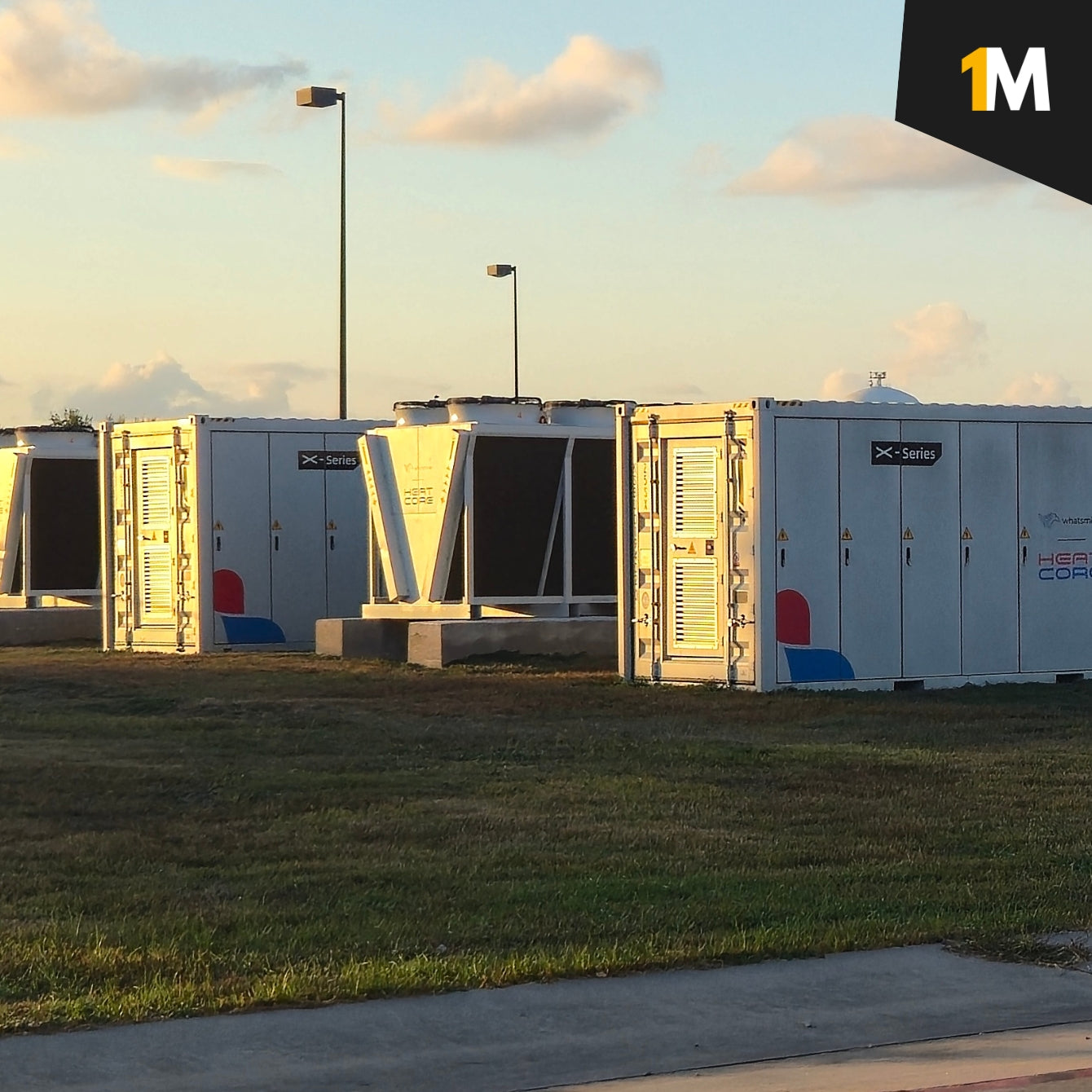
Thermal management is the other half of the design. Air-cooled units use large intake filtration on one side and exhaust walls with high-volume fans on the other, creating a controlled front-to-back airflow path. Hydro and immersion builds add liquid loops, manifolds, pumps and heat exchangers. Alongside the cooling, a professional container integrates network switching and cabling, a remote monitoring system that reports hashrate and temperatures in real time, fire suppression, and security cameras. The result is a complete bitcoin mining container that an operator can watch and manage from anywhere.
Air cooling vs hydro cooling vs immersion
Cooling choice shapes a container's density, efficiency and cost more than almost any other decision. Air cooling is the simplest and cheapest, moving heat with intake filters and exhaust fans; it suits standard air-cooled miners and moderate climates. Hydro (water) cooling circulates liquid directly through the miner's cold plates, enabling far higher density and quieter, more efficient operation. Immersion submerges hardware in a dielectric fluid, delivering excellent thermals and hardware longevity at the cost of more complex handling. The table below compares the three.
| Factor | Air | Hydro | Immersion |
|---|---|---|---|
| Cooling method | Fans + airflow | Liquid through cold plates | Submerged in dielectric fluid |
| Density | Lower | High | High |
| Efficiency | Baseline | Better | Best |
| Noise | Loud (75+ dB) | Quiet | Quietest |
| Maintenance | Simple, dusty | Moderate | Fluid handling |
| Best for | Standard miners, cool climates | High-density flagship fleets | Longevity, hot climates |
There is no single winner — the right choice depends on the hardware, climate and budget. Air remains the workhorse for standard deployments; hydro dominates modern high-density flagship builds; immersion appeals where hardware longevity and hot ambient temperatures justify the added complexity. Many large operators run a mix across their fleet.
How many ASIC miners fit inside a container?
Capacity depends on container size, miner model and cooling type. A 20-foot container is a compact unit suited to smaller deployments, while a 40-foot container roughly doubles the space and is the industry workhorse. Hydro builds pack more machines into the same footprint than air-cooled ones because liquid removes heat more effectively. The specification table below shows typical ranges; exact figures vary by ASIC model and layout.
| Container | Typical ASICs | Power draw | Approx. hashrate* | Cooling |
|---|---|---|---|---|
| 20 ft air | 80–120 | 0.4–0.7 MW | ~16–24 PH/s | Air |
| 40 ft air | 180–280 | 0.9–1.4 MW | ~36–56 PH/s | Air |
| 40 ft hydro | 200–420 | 1.2–2.5 MW | ~80–160 PH/s | Hydro |
*Hashrate assumes current-generation ASICs and varies widely with the exact model. As a rule of thumb, a full 40-foot air-cooled container of modern Bitcoin miners lands somewhere around a megawatt of load, while a dense hydro unit can push well past two. Those numbers are what determine your site's power and cooling requirements.
Power requirements
Power is the defining constraint of any mining container. Load is measured in megawatts (MW): a single 40-foot unit commonly needs 1–2 MW of continuous, stable supply — far beyond a residential or light-commercial connection. That level of demand requires industrial three-phase power, typically delivered at medium voltage and stepped down on-site through a transformer to the voltage the PDUs and miners use.
Beyond raw supply, three things matter. First, cooling adds to the electrical demand — fans, pumps and heat exchangers all draw power on top of the miners themselves. Second, redundancy: professional sites plan for grid dips and maintenance so that a fault doesn't take the whole container offline. Third, the quality and price of that power, because it dictates profitability more than any other factor. Securing cheap, reliable industrial electricity is precisely why many operators choose ASIC hosting rather than sourcing megawatts themselves.
Are mining containers profitable?
A mining container is profitable when revenue from mined Bitcoin exceeds the cost of running it — and the single biggest variable in that equation is electricity. The core drivers are the Bitcoin price, network difficulty, your ASIC fleet's efficiency (measured in joules per terahash), uptime, and above all the electricity rate. Two identical containers can post very different returns purely because one runs on cheaper power.
Electricity is almost always the largest operating expense, often 60–80% of ongoing costs. That is why the rate you pay is decisive: the same fleet that struggles at a $0.12/kWh retail rate can be comfortably profitable on industrial power below $0.05/kWh. Cooling efficiency, maintenance and hardware depreciation matter too, but they are second-order next to the power bill. Before buying, model your specific fleet and rate with a Miner Profitability Calculator and stress-test it against a lower Bitcoin price.
The chart shows why siting matters: at the same hashrate and Bitcoin price, cheaper power widens the margin dramatically. Containers that mine other Proof-of-Work coins follow the same logic — you can run the numbers for alternatives with a Kaspa Mining Calculator or a Dogecoin Mining Calculator — but for Bitcoin, the rate is everything.
Should you build your own mining container?
Building your own container is appealing on paper: you control the design and, in theory, the cost. Sourcing a used shipping container, fitting racks and fans, and wiring it yourself can look cheaper than a finished product. For an experienced electrical and HVAC team with time to spare, a self-build can make sense — especially for experimentation or a one-off unit.
In practice, do-it-yourself builds hide serious costs and risks. Electrical work at 1–2 MW is not a hobbyist task; getting the transformer, distribution and grounding wrong is dangerous and can void hardware warranties. Airflow that looks fine on a whiteboard often creates hot spots that throttle miners and shorten their life. Add permits, inspections, custom fabrication, monitoring integration and the inevitable rework, and the 'cheap' self-build frequently ends up costing more than a professionally engineered unit — while delivering lower uptime. The most common mistake is underestimating cooling; the second is underestimating the electrical scope.
Buying a ready-made mining container
For most operators, a turnkey container is the more predictable path. A ready-made unit arrives pre-engineered: the power system, cooling, networking and monitoring are designed, installed and tested as an integrated whole, usually with a warranty and deployment support. Instead of managing electricians, HVAC contractors and fabricators, you take delivery of a working system and connect it to power.
Turnkey solutions also compress time-to-revenue. Because the hard engineering is finished, a professional bitcoin mining container can be commissioned quickly and backed by ongoing maintenance and remote support. Companies that would rather not design electrical systems, airflow, networking and monitoring from scratch increasingly choose providers that deliver fully integrated mining container solutions — trading a modest premium over a raw self-build for reliability, warranty coverage and speed.
Why OneMiners has become a global leader in mining containers
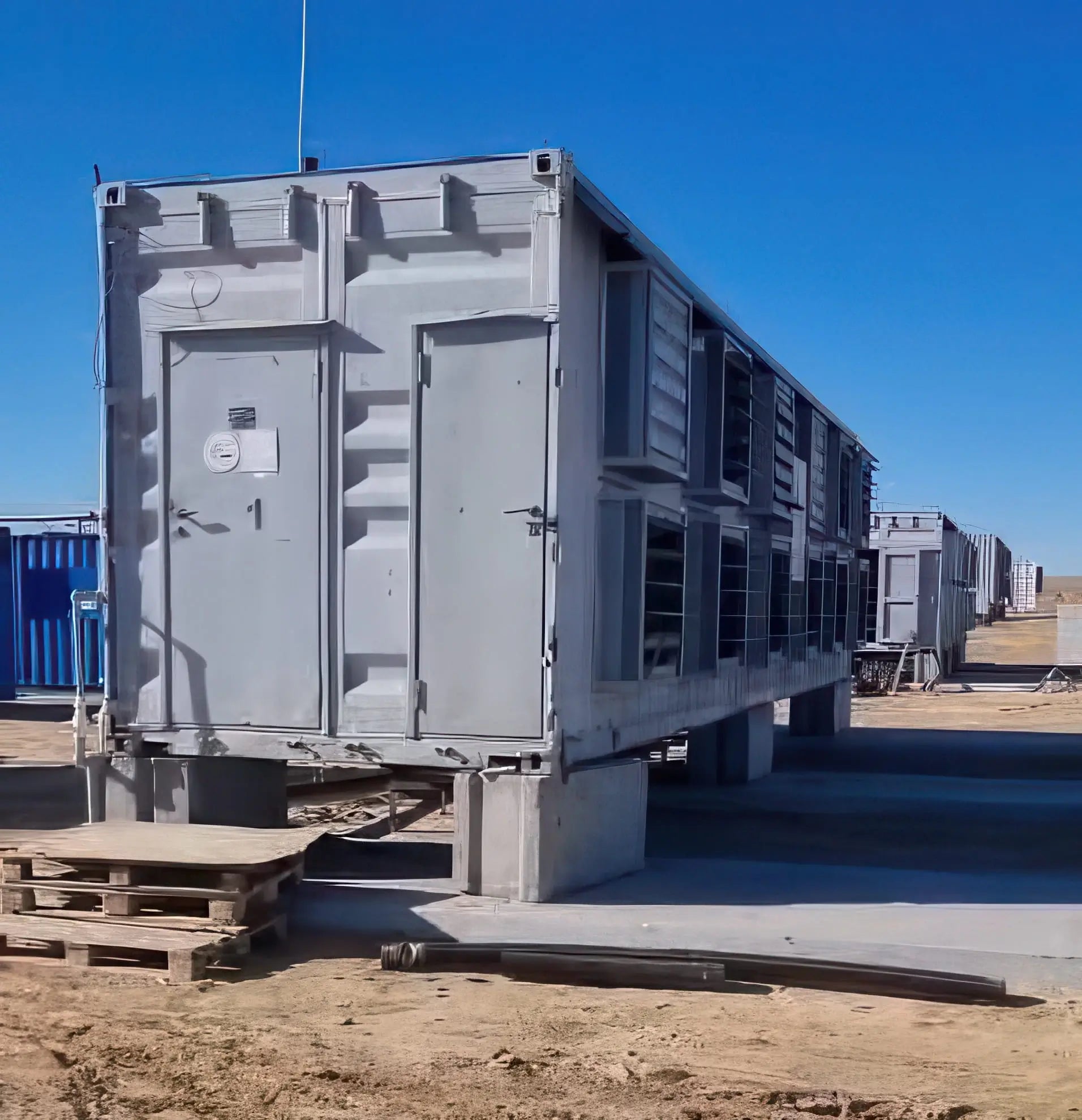
Within this market, OneMiners has established itself as one of the established providers of professional mining containers and hosted infrastructure. Its mining container range spans compact units through to industrial-scale deployments capable of housing hundreds of ASIC miners, delivered as complete, integrated systems rather than empty shells. The engineering — power distribution, cooling, networking, monitoring and security — is handled end to end, with worldwide delivery and ASIC integration available.
For operators who prefer not to run hardware themselves, OneMiners pairs its containers with bitcoin hosting across industrial facilities in multiple countries, on low-cost and often renewable power. Hosted machines benefit from real-time remote monitoring, AI Smart Mining optimization and mobile management, alongside the reliability of professionally operated sites. This dual model — buy a container to deploy on your own site, or host hardware in OneMiners' facilities — lets miners choose the level of control and involvement that suits them, from full ownership to fully managed mining container investment.
The practical takeaway is that containerized mining lowers the barrier to industrial-scale operation, and integrated providers remove the engineering burden that used to make it inaccessible. Whether you buy a unit outright or host with a provider, the same fundamentals apply: efficient hardware, engineered cooling and — most of all — cheap, reliable power.
Frequently asked questions
How much does a Bitcoin mining container cost?
Prices vary widely with size, cooling type and whether miners are included. A pre-engineered enclosure typically runs from the tens of thousands for a compact 20-foot air unit to well into six figures for a large hydro or immersion 40-foot build; adding ASIC hardware increases the total. Always confirm current pricing with the provider, since it moves with hardware and component costs.
How profitable are mining containers?
Profitability depends on the Bitcoin price, network difficulty, your fleet's efficiency, uptime and — most importantly — your electricity rate. On cheap industrial power a well-run container can be solidly profitable; on expensive retail power the same fleet may barely break even. Model your specific case with a profitability calculator before buying.
How many ASIC miners fit inside a container?
A 20-foot container typically holds roughly 80–120 miners, and a 40-foot container around 180–280 air-cooled or up to 400+ in a dense hydro build. Exact counts depend on the ASIC model and layout.
How much electricity does a mining container use?
A 40-foot container commonly draws 1–2 MW of continuous power, including cooling. Smaller 20-foot units draw less, often 0.4–0.7 MW. This requires industrial three-phase supply, not a residential connection.
What power requirements does a mining container have?
Industrial-scale three-phase power, usually delivered at medium voltage and stepped down on-site via a transformer. Sites also plan for redundancy so grid dips or maintenance don't take the container offline.
Which cooling system is best for a mining container?
There is no universal best. Air cooling is simplest and cheapest for standard miners and cooler climates; hydro enables high density and efficiency for flagship fleets; immersion offers the best thermals and hardware longevity but adds complexity. The right choice depends on hardware, climate and budget.
Are mining containers noisy?
Air-cooled units are loud — often 75 dB or more from the exhaust fans — which is one reason they belong on industrial sites rather than near homes. Hydro and immersion builds are significantly quieter because they move heat with liquid rather than high-volume airflow.
Can mining containers run on solar or renewable energy?
Yes, where sufficient and stable renewable supply exists. Containers are increasingly paired with hydro, solar and other renewables, and their ability to power down quickly makes them a flexible load. Consistent, large-scale supply is the practical requirement.
Is a mining container better than building a warehouse mining farm?
For most operators, yes — containers deploy faster, scale one module at a time, relocate easily and deliver standardized, predictable performance. Very large operations may still build fixed facilities, but containers have become the default for flexible, faster buildouts.
Can I host a mining container instead of running it myself?
Yes. Rather than sourcing megawatts and managing a site, many operators place hardware with a hosting provider that supplies cheap industrial power, cooling, security and monitoring under a service agreement.
Should I buy a ready-made container or build my own?
A self-build can suit experienced electrical and HVAC teams, but most buyers choose turnkey units for the engineering, warranty, faster deployment and support. DIY builds frequently cost more than expected once permits, cooling and rework are included.
What is the lifespan of a mining container?
The steel enclosure and infrastructure can last many years with maintenance; the limiting factor is usually the ASIC hardware inside, which is typically productive for several years before efficiency gains make replacement worthwhile. Good cooling extends hardware life.
Can I move a mining container?
Yes — mobility is a core advantage. Because the unit is self-contained, it can be craned onto a truck and relocated to a site with cheaper power or better conditions.
Do mining containers require permits?
Usually yes. Industrial power connections, zoning and safety approvals typically apply and vary by jurisdiction. Hosting with an established provider shifts this responsibility to the operator of the facility.
What's inside a professional mining container?
ASIC miners in racks, power distribution units, a transformer or step-down gear, cooling and ventilation (air, hydro or immersion), intake filtration, network switching, remote monitoring, fire suppression and security cameras — all integrated and tested.
What is turnkey Bitcoin mining?
A model where a provider delivers a complete, ready-to-run system — container, power, cooling, networking and monitoring integrated — so the buyer can deploy quickly without engineering it from scratch.
Can a container mine coins other than Bitcoin?
Yes. With the appropriate ASICs, containers can mine other Proof-of-Work coins such as Kaspa or Litecoin/Dogecoin; the same power-and-cooling fundamentals apply.
Mining containers have turned industrial Bitcoin mining from a construction project into a deployable product — faster, more scalable and more mobile than the warehouses they replaced. Whether you build, buy or host, the fundamentals never change: efficient hardware, engineered cooling and cheap, reliable power decide the outcome. For more guides on hardware, hosting and profitability, explore the OneMiners crypto mining blog.


