


The InitVerse (INIBOX) Scam: How OneMiners Turns “Bricked” ASICs into Profitable Nexa Miners
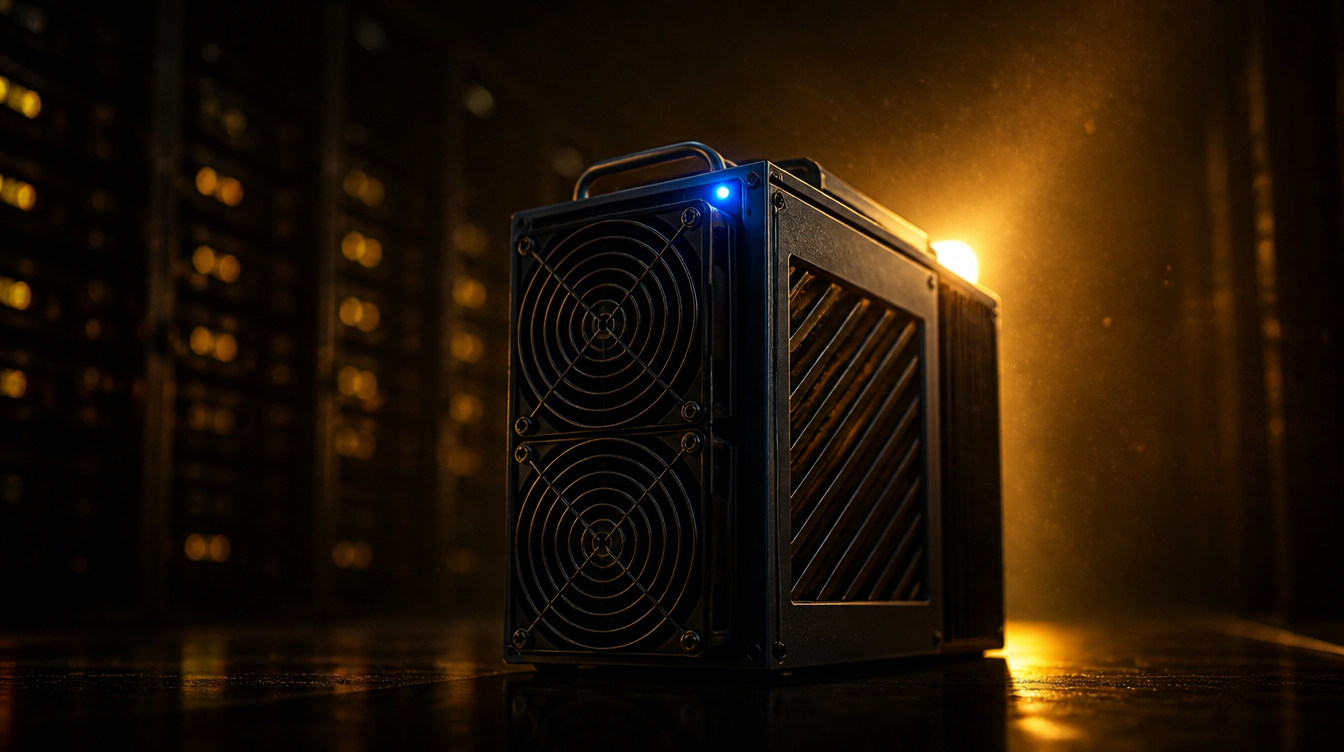
Why throwing away an INIBOX is the worst move an owner can make — and how re-routing the silicon puts it back to work.
The crypto mining industry recently experienced another scandal involving specialized ASIC hardware. The InitVerse project (INI / IniCoin) — which promoted dedicated miners such as the Pinecone INIBOX and INIBOX Pro — turned out, according to independent researchers, to be a planned scam. The token crashed, the network proved to be fully centralized, and buyers who had paid thousands of dollars just days earlier were left with hardware they were told was worthless.
But independent developers and the wider mining community uncovered a crucial fact: INIBOX equipment is not bricked. The OneMiners team has already deployed a working solution — re-routing client ASICs to mine Nexa, a promising Layer-1 coin that the same silicon was physically built to hash.
What Actually Happened to InitVerse (INIBOX)?
The InitVerse team claimed to have created an “innovative private blockchain” built on a custom algorithm called VersaHash. Under this algorithm, the manufacturer Pinecone released the INIBOX ASIC series — including the flagship INIBOX Pro (2.4 GH/s @ 1280W).
When the project’s developers halted activity and blocked withdrawals, independent researchers and pool engineers reverse-engineered the INIBOX firmware and its protocols. What they found reframed the entire product line:
The three findings from community analysis
- Fake algorithm. The so-called VersaHash algorithm was, per the analysis, a 100% clone of the existing NexaPoW algorithm.
- Rebranded hardware. The INIBOX itself is technically a modified version of the Dragonball Nexa ASIC.
- Artificial lockdown. To force buyers onto proprietary hardware, the operators modified the stratum protocol (YatesPool) and bolted on a proprietary “handshake” authentication — tricks designed to make the algorithm look unique and tied exclusively to the INI coin.
When INI collapsed, hosting providers and ASIC owners were left with units that standard pools rejected — not because the chips were broken, but because of these fake developer locks. That distinction is the entire story: a software leash was mistaken for dead silicon.
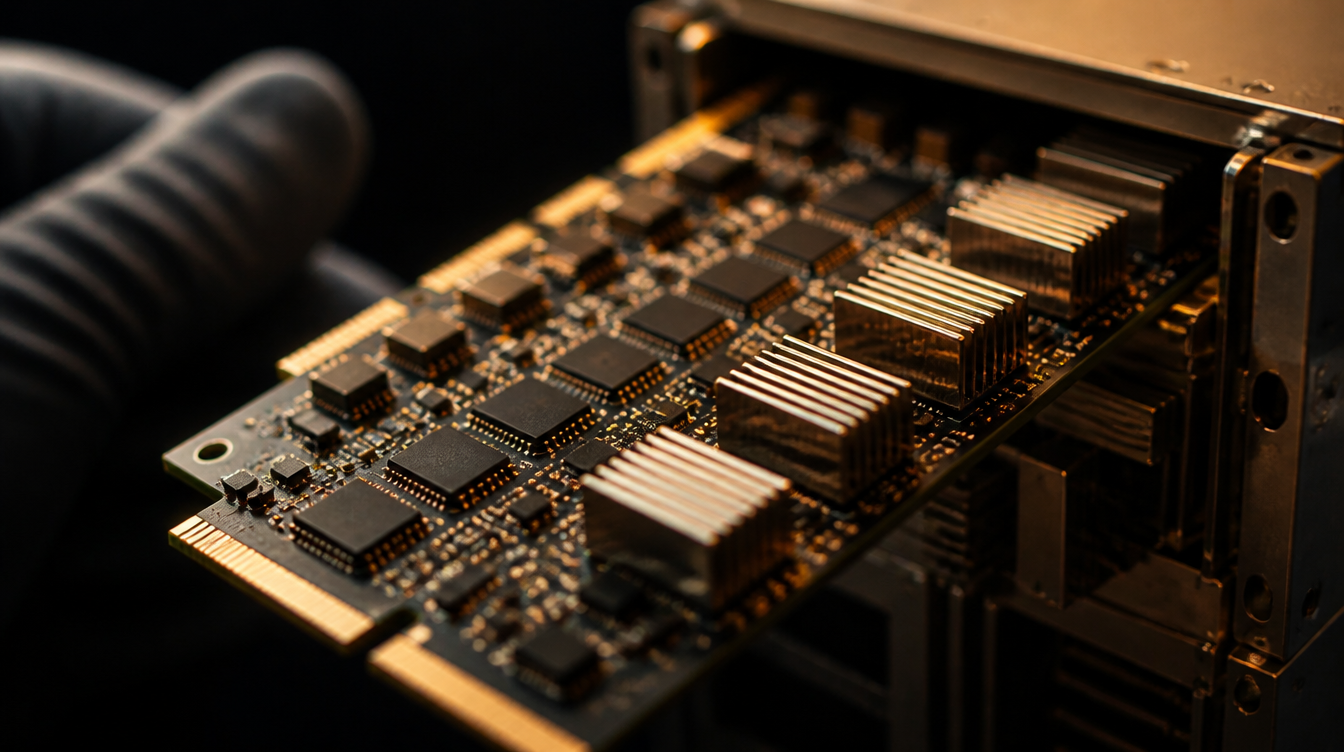
The OneMiners Solution: Switching INIBOX Hardware to Nexa
Because the hardware inside the INIBOX physically calculates NexaPoW hashes, the OneMiners hosting team bypassed the artificial software locks and redirected client hash rate to mine the genuine Nexa (NEXA) coin. No new hardware. No capital write-off. The same box, pointed at the chain it was always capable of mining.
Why this makes sense right now
- Positive returns on low-cost power. For clients hosting at OneMiners locations with optimized electricity rates — such as our Nigeria data center at 3.6¢/kWh — these units run in the green even after power costs.
- Daily coin yield. A single Pinecone INIBOX Pro (2.4 GH/s) currently mines approximately 4,000,000 NEXA per day.
- Long-term accumulation. A classic early-stage accumulation play. Instead of switching the machine off and eating a 100% loss on hardware capital, owners accumulate millions of native Layer-1 coins every day.
| Scenario | Hardware Status | Daily Output | Capital Outcome |
|---|---|---|---|
| Power off & scrap | Idle / discarded | 0 | −100% loss |
| Keep mining dead INI | Locked to worthless coin | ~0 value | Power burn |
| Re-route to NexaPoW OneMiners | Fully operational | ~4,000,000 NEXA | In the green |
Output figures are estimates for a single INIBOX Pro (2.4 GH/s) at current network conditions and will vary with difficulty.
The Economics: Does It Actually Cover Power?
The honest way to answer this is to reduce it to one formula and prove it with arithmetic. An INIBOX Pro draws 1,280W. Run that for a full day and you have used roughly 30.7 kWh. At the OneMiners Nigeria rate of 3.6¢/kWh, that is about $1.10 per day, or roughly $33 per month in electricity.
That single number sets the entire break-even. A unit mining 4,000,000 NEXA per day accumulates about 120,000,000 NEXA per month. Divide the monthly power cost by that monthly coin count and you get the coin price the machine must clear just to pay for its own electricity:
That is why the re-route works at a low-cost facility and would not work in a high-tariff garage. The margin lives entirely in the electricity rate — which is the one variable OneMiners controls better than almost anyone.
The Nexa Outlook & the Long-Term Math
Unlike the InitVerse scam, Nexa is a legitimate proof-of-work blockchain featuring hardware-accelerated signature verification and a UTXO structure built for global scale. That does not make its price predictable — nothing in crypto is — but it does mean the coins being accumulated sit on a real, functioning network rather than a rug.
From a long-term perspective, the accumulation compounds quickly:
- 4,000,000 NEXA/day × 30 days ≈ 120,000,000 NEXA per month.
- Over a year, that is roughly 1.46 billion NEXA per machine.
The value of that stack depends entirely on where NEXA trades. The scenarios below are pure arithmetic on hypothetical prices — not forecasts, not targets, and not advice. They exist only to show how the same monthly coin count scales across very different price assumptions.
To be clear about the extreme end: hypothetical “round-number” targets like $1 per coin are the kind of figure the community likes to quote, but they are not a realistic base case and we do not present them as one. The point is not the ceiling — it is that even the conservative column clears the ~$33 monthly power cost many times over. The math is the math.
Frequently Asked Questions
Is my INIBOX actually bricked?+
What coin does it mine now?+
How much does one INIBOX Pro mine per day?+
Will it cover electricity costs?+
Why host with OneMiners instead of running it myself?+
Is accumulating NEXA a guaranteed profit?+
What happened to the INI token?+
Don’t Scrap It — Re-Route It
OneMiners has automated the INIBOX-to-Nexa switch across its low-cost hosting facilities. Get your unit back online and accumulating on a real Layer-1 chain.
Talk to OneMiners HostingThe box isn’t dead. It was mislabeled — and the right chain was there all along.


