


A beginner can mine Bitcoin in five clear steps. The step that decides almost everything is where the Bitcoin miner runs and what its electricity costs.
 By Michal Beno, CEO, OneMiners9 October 2026
You need four things: an efficient Bitcoin miner, a place to run it with cheap electricity, a wallet for payouts and a mining pool. At today's numbers a 473 TH/s Antminer S21 XP Hyd earns about $18.83 a day before costs. On hosting power at $0.048 per kWh it keeps about $12.29 of that; on a typical U.S. home rate it loses money.
5 steps
from zero to hashing
$0.040
earned per TH/s per day
$18.83
S21 XP Hyd revenue per day
$0.048
OneMiners hosting from, per kWh
Hashprice from BTC $85,739 and ~970 EH/s, 5 October 2026, subsidy only. Hosting rate: OneMiners Nigeria.
KEY TAKEAWAYS

The five steps at a glance
Here is the whole journey on one screen. Each step gets its own section below with the numbers behind it.
Understand the money
Learn the two formulas: what a miner earns per day, and what its power costs per day.
Pick a Bitcoin miner
Compare models on efficiency (J/TH) first, then hashrate and price.
Choose where it runs
Home or a hosting facility. The power price here decides profit or loss.
Set up a wallet and pool
The pool pays you small, regular amounts; the wallet is where they land.
Monitor and reinvest
Check hashrate, temperatures and payouts. Re-run the numbers every few months.
Step 1: Understand how Bitcoin mining makes money
Bitcoin mining keeps the network running. Specialised computers race to find a valid answer to a guessing puzzle, and roughly every ten minutes one wins the right to add the next block of transactions to the public ledger. The winner receives 3.125 BTC per block since the April 2024 halving, plus transaction fees. With about 144 blocks a day, around 450 new bitcoin are created daily. About 20.09 million of the 21 million have already been mined.
Your share depends on your hashrate, the guesses per second your miner makes, compared with the whole network at about 970 EH/s (970 million TH/s). The industry measures earnings with hashprice, the revenue one TH/s earns per day: about $0.040 in October 2026, with Bitcoin near $85,739. Profit is revenue minus power, before any fees.
KEEP THESE TWO FORMULAS
Revenue per day = TH/s x 0.0398
Power cost per day = kW x 24 x price per kWh
Daily margin = revenue - power cost
Step 2: Pick a Bitcoin miner by efficiency, not just hashrate
Modern mining runs on ASICs (application-specific integrated circuits), chips built to do one job: compute Bitcoin's SHA-256 puzzle. Two numbers matter on any spec sheet. Hashrate (TH/s) is how much work the miner does. Efficiency (J/TH) is how much electricity it burns per unit of work. Lower J/TH means a bigger share of revenue survives the power bill.
Four Bitcoin miners on the OneMiners catalogue
 Antminer S21 Pro 245T
Live OneMiners prices, 6 October 2026. Revenue = TH/s x $0.0398, before fees, BTC $85,739, 5 October 2026.
Highest power price each miner can pay
Break-even electricity price, USD per kWh, higher is safer
Break-even = hashprice / (24 x J/TH), hashprice $0.0398 per TH/s per day, 5 October 2026. Power only. OneMiners calculation.
The worked example uses the S21 XP Hyd. At 473 TH/s and 12.0 J/TH it draws about 5.68 kW, or 136.2 kWh per day. Revenue is 473 x 0.0398, about $18.83 per day before fees. "Hyd" means hydro cooling: water, not fans, carries the heat away, which is quieter but needs a cooling loop and a heat exchanger.

Step 3: Choose where your Bitcoin miner runs, at home or hosted
This step makes or breaks the project. Run the S21 XP Hyd through the cost formula at four power prices and the answer is plain: revenue never changes, but the power bill can swallow all of it.
Antminer S21 XP Hyd at four power prices
Revenue $18.83 per day (473 TH/s x $0.0398). Power 5.68 kW. BTC $85,739, ~970 EH/s, 5 October 2026. Before pool and hosting fees. Prepaid rate requires a 7-year prepaid contract.
Same miner, four electricity prices
Antminer S21 XP Hyd daily margin, USD, before fees
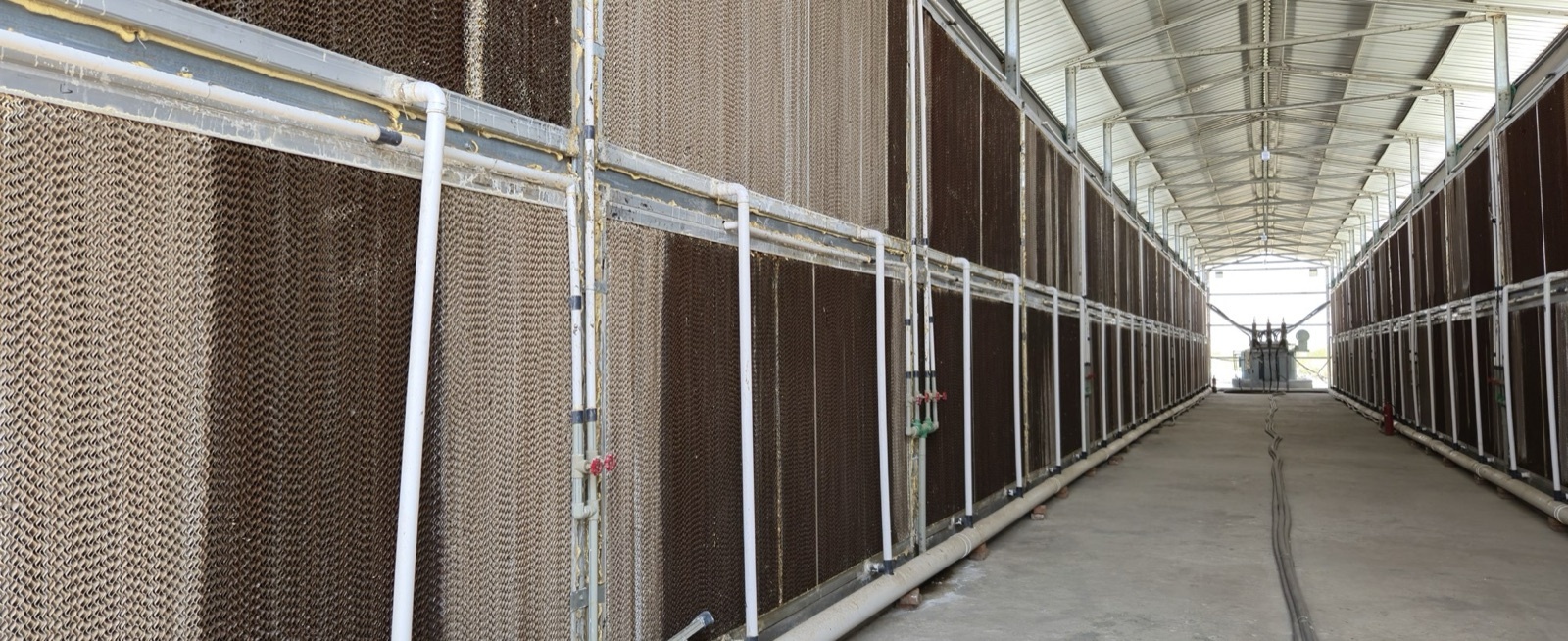
Price is not the only obstacle at home. Air-cooled Bitcoin miners run at around 75 dB, roughly a vacuum cleaner that never switches off. Each unit pumps out kilowatts of heat. Most high-output models need a dedicated 240V circuit, and hydro models also need plumbing, a pump and an outdoor cooler. Hosting solves this: the miner sits in a purpose-built facility with industrial power, cooling and on-site technicians, and you manage it remotely.
Mining at home vs hosted: Antminer S21 XP Hyd
Hosting wins on the first four rows; home wins only for hands-on tinkerers. Data as of 5 October 2026.
Step 4: Set up a Bitcoin wallet and join a mining pool
A wallet is where mined bitcoin lands: an app or small hardware device holding the private keys that prove the coins are yours. Many beginners start with a reputable software wallet and later move larger balances to a hardware wallet kept offline. Write the recovery phrase on paper and store it safely, because nobody can restore it for you.
A mining pool combines thousands of miners and shares each block reward by the work each contributes. Alone, one miner could wait decades for a block; in a pool you get small, steady payouts. Pools charge a small fee, typically a low single-digit percentage. Setup takes minutes in the miner's web dashboard:
The pool settings you will type in
Check every field against the pool's own guide; one wrong character in the payout address sends rewards elsewhere.
If the miner is hosted, the facility team racks it, connects it and points it at your chosen pool, so you only handle the account and wallet settings.
Step 5: Monitor performance and reinvest with a plan
Once hashing, check three things: reported hashrate against the spec, temperatures, and the pool's payout history. A drop in hashrate often signals a fault or a cooling issue. Hosted customers see the same data in a remote dashboard, with technicians on site to swap parts.
Economics move too. Difficulty adjusts about every two weeks (next estimate about +2.4%), and the halving expected around spring 2028 cuts the subsidy to 1.5625 BTC. Many miners hold part of what they earn, cover costs with part, and reinvest the rest in more efficient hardware. The chart shows why the cheapest unit is not automatically the best buy.
Days to recover the hardware at $0.048 per kWh
Price divided by today's daily margin, before fees, if nothing changed
At today's numbers, before pool and hosting fees. Difficulty usually rises, so real payback tends to be longer. The cheapest unit pays back first, but it has the thinnest cushion if hashprice falls. OneMiners calculation, 5 to 6 October 2026.
Beginner's checklist before you switch on
Run each row before buying, and again every few months.
 Antminer S21 200T$907Hashrate200 TH/sEfficiency17.60 J/THPower draw3,520 WBreak-even power$0.094/kWhNet/day at 4.80c$3.90View on OneMiners
 Antminer S21 XP Hyd 473T$6,199Hashrate473 TH/sEfficiency12.00 J/THPower draw5,676 WBreak-even power$0.138/kWhNet/day at 4.80c$12.29View on OneMiners
 Antminer S23 Hyd 580T$12,299Hashrate580 TH/sEfficiency9.50 J/THPower draw5,510 WBreak-even power$0.175/kWhNet/day at 4.80c$16.74View on OneMiners
Entry, mid and top efficiency on the OneMiners catalogue, live prices 6 October 2026. Card figures use hashprice including recent fees, so they can differ by a cent from the examples above.
The verdict: the best way to mine Bitcoin as a beginner
Ranked by what matters most: first the electricity price, because it decides whether the same hardware makes or loses money. Second, efficiency, because it decides how much revenue the power bill takes. Third, reliability and support, because every hour offline is lost revenue. Home mining is a fine way to learn with cheap power and a garage, but for most people a hosted, efficient Bitcoin miner on low-cost power is the stronger setup.

Beginners usually start by comparing machines. The better first question is: what will the power cost? OneMiners hosting starts at $0.048 per kWh, and from $0.0364 on a 7-year prepaid contract, with a 7-year warranty on hosted miners that covers defects, not normal wear. See how hosting works and compare Bitcoin miners.
Frequently asked questions
How do I start mining Bitcoin as a beginner?
Learn the basic economics, buy an efficient Bitcoin miner, decide between home and hosting, connect it to a pool with your wallet address, then monitor it. Hosting removes most of the technical setup.
Is Bitcoin mining still profitable in 2026?
It can be, at today's numbers, with cheap power and efficient hardware. An S21 XP Hyd earns about $18.83 per day before fees: a margin at $0.048 per kWh, a loss at typical U.S. home rates.
How much electricity does a Bitcoin miner use?
Multiply hashrate by efficiency. A 473 TH/s miner at 12.0 J/TH draws about 5.68 kW, or about 136 kWh per day.
Can I mine Bitcoin without a mining pool?
Yes, but solo mining is a lottery. A single miner has a tiny chance of winning any one block, so most join a pool for small, regular payouts.
What does hosting a Bitcoin miner mean?
You own the miner, and a specialist facility runs it with industrial power, cooling and technicians. You pay for electricity and service; rewards go to your own pool account and wallet.
Pick an efficient Bitcoin miner and host it from $0.048 per kWh.
Compare Bitcoin minersOpen the mining calculatorSOURCES AND DATA
- BTC price $85,739: CoinGecko, 5 October 2026
- Hashrate ~970 EH/s, difficulty, +2.4% estimate: mempool.space and blockchain.info, 5 October 2026
- Supply 20.09 million BTC: blockchain.info, 5 October 2026
- Miner specs and prices: OneMiners catalogue, 6 October 2026
- Hosting rates and warranty terms: published OneMiners location pages
- Margins, break-even and payback: OneMiners calculation on the data above
Michal Beno
CEO of OneMiners, the global Bitcoin mining hosting and hardware platform with 15 published hosting locations, 7-year fixed electricity contracts and a 7-year hardware warranty. He writes about the economics of industrial Bitcoin mining.
Informational only, not financial advice. Figures are a snapshot from public market data and news reports as of 5 October 2026 and can change quickly. Crypto prices can fall as well as rise. No return is offered or implied. Do your own research.


