


Antminer S23 vs. Antminer Z15 Pro
Se você pesquisou "Antminer S23 vs Z15 Pro", você provavelmente já viu os dois grandes números lado a lado: 318 TH/s contra 860 KH/s. E você provavelmente presumiu que o S23 deveria ser o monstro e o Z15 Pro o pequeno.
Aqui está o que a maioria das páginas de comparação erram: esses dois números medem empregos completamente diferentes. Classificá-los entre si é como comparar a classificação de reboque de um caminhão com a RPM de um liquidificador. Ambos são reais. Nenhum dos dois diz qual comprar.
Então, vamos fazer da mesma forma que um mineiro de verdade explicaria a um amigo prestes a gastar dinheiro de verdade: alinhe as coisas que importam e seja honesto sobre o que ninguém pode prometer.
Taxa de hash
Não comparável
318 TH/s e 860 KH/s medir algoritmos diferentes - não há um "vencedor" justo aqui.
Menor consumo de energia
Z15 Pro
~2.849 W vs ~3.498 W para o S23.
Maior estimativa líquida diária
Z15 Pro
~$26,24/dia vs ~$5,23/dia – apenas instantâneo de terceiros.
Taxa de potência assumida
$0.060/kWh
Mude isso e todo o quadro de lucro mudará.
Opção 1
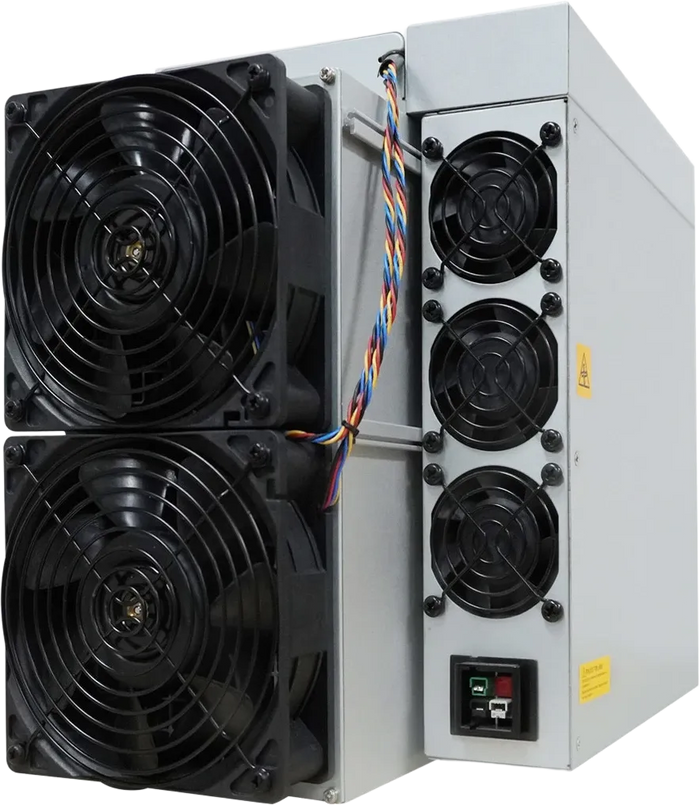
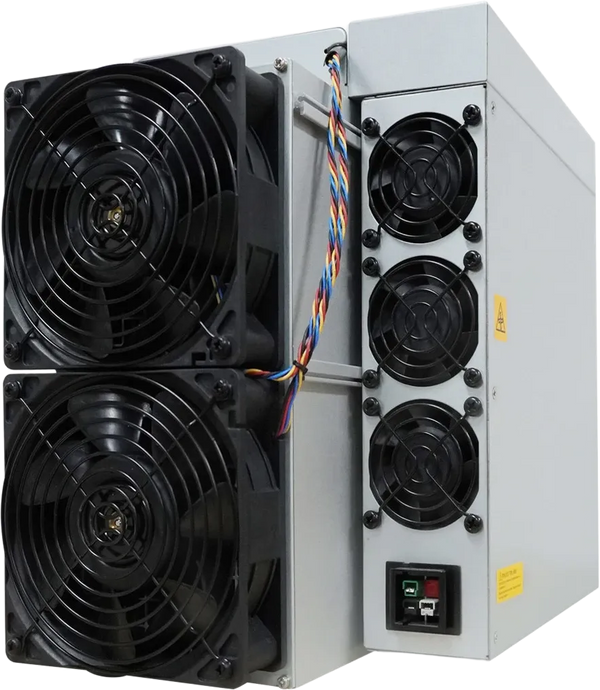
Antminer S23 (318 TH/s)
Preço
$6,899
Retorno*
~3,6 anos
Taxa de hash
318 TH/s
Líquido diário*
$5.23
Opção 2
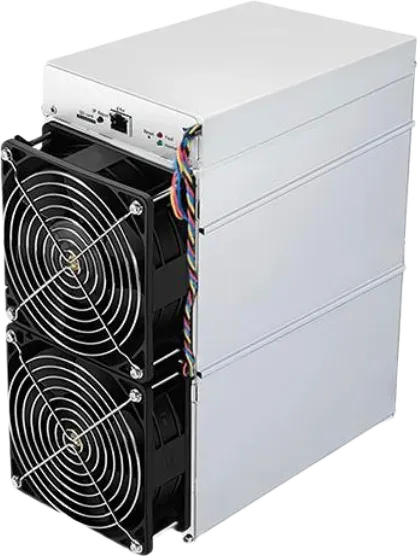
Antminer Z15 Pro (860 KH/s)
Preço
$7,350
Retorno*
~9 meses
Taxa de hash
860 KH/s
Líquido diário*
$26.24
Não há um vencedor único – depende da sua aposta
O Z15 Pro parece mais forte neste instantâneo: menor consumo de energia e uma estimativa líquida diária mais alta. Mas é uma aposta Zcash, cujo preço oscila fortemente. O S23 é uma aposta Bitcoin — a rede mais profunda e durável em mineração. Duas apostas diferentes, não duas categorias da mesma máquina.
Antminer T23
Melhor para SHA-256 / Bitcoin exposição e o jogo longo
Antminer Z15 Pro
Melhor para Equihash / Zcash exposição e economia atual mais forte
Resposta rápida: O S23 e o Z15 Pro não são rivais – eles extraem moedas diferentes em algoritmos diferentes. O Antminer T23 é um SHA-256 máquina para Bitcoin. O Antminer Z15 Pro é um Equihash máquina para Zcash e moedas semelhantes. A verdadeira decisão não é “o que rende mais hoje?” - é a moeda que você deseja, quanto você paga pela máquina e qual tarifa de eletricidade você pode obter.
318 TH/s versus 860 KH/s: por que você não pode comparar esses números
Esta é a parte mais importante do artigo, então vamos mantê-la bem simples.
Um mineiro resolve um tipo específico de quebra-cabeça matemático. O "algoritmo" é apenas o gentil de quebra-cabeça. Hashrate é quantas tentativas por segundo ele faz nesse quebra-cabeça.
O S23 resolve SHA-256 quebra-cabeças - Bitcoinalgoritmo de - medido em terahashes por segundo (TH/s), trilhões de suposições. O Z15 Pro resolve Equihash quebra-cabeças - Zcashalgoritmo de - medido em quilosoluções por segundo (KH/s), milhares de soluções.
Quebra-cabeça diferente. Unidade diferente. Portanto, 318 trilhões de uma coisa não são “maiores” que 860 mil de uma coisa completamente diferente.
Uma analogia simples
Imagine duas máquinas de venda automática. Um conta garrafas vendido por hora; o outro conta sanduíches. Se a máquina de garrafas ler 318 e a sanduicheira ler 860, você nunca chamaria a sanduicheira de "mais potente". Produtos diferentes, escalas diferentes. Bitcoin taxa de hash e Equihash hashrate são exatamente isso.
A única maneira justa de avaliar a velocidade é dentro o mesmo algoritmo - S23 contra outro Bitcoin mineiros, Z15 Pro contra outros Zcash mineiros. Nunca ultrapasse os limites.
Antminer S23 vs Z15 Pro: comparação rápida
Os números S23 são Bitmainnúmeros anunciados; Os números do Z15 Pro são as especificações do fabricante/varejo amplamente citadas. A lucratividade é um instantâneo de terceiros de US$ 0,06/kWh.
| Especificações | Antminer S23 (ar) | Antminer Z15 Pro |
|---|---|---|
| Algoritmo | SHA-256 | Equihash (200,9) |
| Moedas principais | Bitcoin (BTC), Bitcoin Dinheiro (BCH) | Zcash (ZEC), Horizen (ZEN), Komodo (KMD) |
| Taxa de hash | 318 TH/s | ~840–860 KH/s (dependente do lote) |
| Consumo de energia | ~3.498 W | ~2.780 W (840); ~2.849 W (860) |
| Eficiência (algoritmo próprio) | 11 J/TH | ~3.31 J/KSol |
| Resfriamento | Ar | Ar |
| Eletricidade / dia | ~84.0 kWh | ~66.7 kWh |
| Eletricidade / mês | ~2,519 kWh | ~2,002 kWh |
| Est. lucro líquido (US$ 0,06/kWh, instantâneo) | ~$5,23/dia (~$157/mês) | ~$26,24/dia (~$787/mês) |
| Dimensões | 410 × 209 × 170 milímetros | 245 × 290 × 132 mm |
| Preço em OneMiners (agosto de 2026) | $6,899 | $7,350 |
O que pode o Antminer S23 meu?
O S23 funciona SHA-256, então ele mina Bitcoin (BTC) em primeiro lugar, além de tecnicamente Bitcoin Dinheiro (BCH) e outros SHA-256 garfos. Quase todo mundo aponta uma máquina como essa para Bitcoin através de um pool – você está explorando o ativo com o mercado mais profundo e a maior infraestrutura por trás dele.
Bitmain anunciou o S23 refrigerado a ar às 11 J/TH – um verdadeiro passo de eficiência para um minerador aéreo. No entanto, estes são números da folha de especificações do fabricante; as unidades só começaram a ser comercializadas em 2026, portanto, os dados de campo independentes ainda são escassos.
O que pode o Antminer Z15 Pro meu?
O Z15 Pro funciona Equihash (200,9). Sua moeda principal é Zcash (ZEC), e também pode minerar outros Equihash moedas como Horizen (ZEN) e Komodo (KMD). Não pode ser meu Bitcoin.
Antminer S23 vs Z15 Pro: consumo de energia
Aqui está uma rodada que o Z15 Pro vence claramente: ele usa menos eletricidade.
- Antminer S23: ~3.498 W → ~84.0 kWh/dia, ~2,519 kWh/mês, ~30,642 kWh/ano.
- Antminer Z15 Pró: ~2.780 W → ~66.7 kWh/dia, ~2,002 kWh/mês, ~24,353 kWh/ano.
(mês de 30 dias. O OneMinersA unidade 860 abastecida tem classificação de ~ 2.849 W, então aumente um pouco seus números.) Ao longo de um ano, o S23 extrai cerca de 6.000 kWh mais - o quanto isso importa depende inteiramente da sua taxa por kWh.
Comparação de custos de eletricidade
Esta é a tabela a ser capturada: mesmas máquinas, cinco taxas, mostrando quanto você pagaria apenas para mantê-las funcionando.
Custo diário de eletricidade
| Taxa ($/kWh) | S23 (~84,0 kWh/dia) | Z15 Pro (~66,7 kWh/dia) |
|---|---|---|
| $0.04 | $3.36 | $2.67 |
| $0.05 | $4.20 | $3.34 |
| $0.06 | $5.04 | $4.00 |
| $0.08 | $6.72 | $5.34 |
| $0.10 | $8.40 | $6.67 |
Custo mensal de eletricidade (30 dias)
| Taxa ($/kWh) | Antminer T23 | Antminer Z15 Pro |
|---|---|---|
| $0.04 | $100.80 | $80.06 |
| $0.05 | $126.00 | $100.08 |
| $0.06 | $151.20 | $120.10 |
| $0.08 | $201.60 | $160.13 |
| $0.10 | $252.00 | $200.16 |
Veja a propagação. Um S23 custa cerca de $ 100/mês a 4 ¢ mas $ 252/mês a 10 centavos - a mesma máquina, duas vezes e meia a conta, direto do seu lucro.
É por isso que a tarifa de eletricidade que você recebe é quase tão importante quanto o mineiro que você compra. Uma ótima máquina com energia doméstica cara pode perder dinheiro, enquanto uma máquina comum com energia hospedada barata imprime silenciosamente. É também por isso que operá-los em casa raramente funciona - a energia doméstica geralmente é muito cara e são máquinas industriais barulhentas e quentes.
Para ver que taxa você poderia obter de forma realista, verifique OneMiners locais de hospedagem, onde cada site lista sua tarifa de eletricidade – começando em torno de 3,6 ¢/kWh nas instalações de menor custo. Insira isso na tabela acima e observe a mudança de imagem em vez de pagar 10 centavos em casa.
Antminer S23 vs Z15 Pro: lucratividade
O número que todos buscaram - com a honestidade que merece. Um instantâneo comum de terceiros por US$ 0,06/kWh mostrou aproximadamente:
- Antminer S23: ~$5,23/dia líquido (~$157/mês)
- Antminer Z15 Pró: ~$26,24/dia líquido (~$787/mês)
Trabalhando de trás para frente (líquido + o custo de eletricidade de US$ 0,06), o valor bruto implícito do S23 foi de aproximadamente US$ 10/dia e o do Z15 Pro de aproximadamente US$ 30/dia antes das taxas de pool. Contexto útil – mas não multiplique por 365 e chame isso de renda anual. Esse é o maior erro que os novos compradores cometem.
O que move esses números diários, muitas vezes dentro de uma semana:
- Preço da moeda — a maior alavanca, especialmente ZEC para o Z15 Pro.
- Dificuldade de rede – mais mineradores ingressam, sua fatia diminui.
- Bloquear recompensas — Bitcoiné reduzido pela metade aproximadamente a cada quatro anos.
- Taxas de transação - pode aumentar Bitcoin receita em períodos de maior movimento.
- Taxa de eletricidade – veja a tabela acima.
- Taxas de pool - pequeno, mas constante.
- Tempo de atividade — uma máquina offline não ganha exatamente nada.
ROI do S23 vs Z15 Pro
Uma máquina que ganha mais por dia não não automaticamente terá melhor ROI. ROI é uma equação de três vias: preço de compra + custo operacional + tempo de atividade.
Aqui, os dois preços estão próximos (US$ 6.899 vs US$ 7.350), portanto, no instantâneo, o valor líquido diário mais alto do Z15 Pro oferece um valor muito mais curto ilustrativo retorno financeiro – da ordem de ~9 meses versus ~3,6 anos para o S23. Mas leia com atenção: depende inteiramente ZEC segurando, e Zcash a economia avança rapidamente. O retorno mais lento do S23 continua Bitcoin, uma rede muito mais estável. Um retorno mais curto no papel não é o mesmo que uma aposta mais segura a longo prazo.
Um ROI verdadeiramente responsável precisa de três atual entradas: quanto você pagará pela máquina, a taxa de energia/hospedagem que você realmente pode obter e uma visão sóbria da moeda. Obtenha números reais em vez de confiar em uma captura de tela antiga – compare atual ASIC preços do mineiro contra o real taxas de hospedagem e execute sua própria matemática.
Qual escolheríamos?
Se um amigo nos perguntasse diretamente:
Outro Antminer Modelos S23 que valem a pena comparar
O S23 refrigerado a ar é apenas o ponto de entrada. Bitmain construiu o S23 como uma família com resfriamento e saída diferentes – todos SHA-256. Os preços abaixo são OneMiners-listado (agosto de 2026); os valores de potência derivam do hashrate anunciado × eficiência e variam de acordo com o lote.
| Modelo | Taxa de hash | Eficiência | ~Poder | Resfriamento | Preço (agosto de 2026) |
|---|---|---|---|---|---|
| Antminer S23 (ar) | 318 TH/s | 11 J/TH | ~3.498 W | Ar | $6,899 |
| Antminer Imersão S23 | ~442 TH/s | 11 J/TH | ~4.400W | Imersão | $10,289 |
| Antminer S23 Hidráulico | 580 TH/s | 9.5 J/TH | ~5.510W | Hidro | $12,299 |
| Antminer S23 Hid 3U | 1,160 TH/s (1.16 PH/s) | 9.5 J/TH | ~11.020W | Hidro | $28,399 |
Veja quais variantes estão em estoque no Antminer Série S23 página - os preços dos novos lançamentos mudam rapidamente, então verifique a lista ao vivo.
Outro Antminer Modelos Z15 que valem a pena comparar
O Z15 Pro também tem parentes. Se Equihash é a sua praia, conheça a família.
| Modelo | Taxa de hash | ~Poder | ~Eficiência | Notas |
|---|---|---|---|---|
| Antminer Z15 (original) | 420 KH/s | 1.510W | ~3.6 J/KSol | O original de 2020; principalmente no mercado secundário agora |
| Antminer Z15 Pro (lote 840) | 840 KH/s | 2.780 W | ~3.31 J/KSol | Binning padrão citado por Bitmain e a maioria dos rastreadores |
| Antminer Z15 Pro (lote 860) | 860 KH/s | ~2.849 W | ~3.31 J/KSol | Lote de armazenamento superior/mais recente (aquele OneMiners ações) |
O Z15 Pro 840 KH/s ou 860 KH/s?
Ambos - e nenhum deles é um erro de digitação. BitmainA loja e a maioria dos rastreadores listam o Z15 Pro padrão em 840 KH/s @2.780 W. Um lote com maior capacidade é vendido por 860 KH/s, consumindo um pouco mais de potência (~ 2.849 W) aproximadamente na mesma ~ 3,31 J/KSol eficiência. A mesma máquina, ajustada de fábrica um pouco mais alta – não dois produtos. Basta verificar as especificações exatas na listagem para saber qual lote está recebendo. (OneMiners estoca a versão 860.)
Onde comprar e hospedar um S23 ou Z15 Pro
Depois de escolher uma máquina, restam dois problemas práticos: conseguir uma unidade real a um preço real e encontrar energia suficientemente barata para valer a pena operá-la. Eles moldam o seu resultado mais do que a folha de especificações. Em um lugar, OneMiners permite que você:
- Verifique preços e disponibilidade em atual ASIC mineiros, incluindo o Antminer T23 (US$ 6.899) e Antminer Z15 Pro ($ 7.350) – preços vistos em agosto de 2026.
- Comparar locais de hospedagem e tarifas de eletricidade em cerca de 15 instalações globais antes de se comprometer.
- Implante diretamente em alojamento profissional e evite as dores de cabeça com energia, resfriamento e ruído – útil para modelos hidráulicos e de imersão.
- Monitore equipamentos hospedados remotamente a partir do OneMiners aplicativo (hashrate, recompensas, temporários, fãs).
- Obtenha manutenção e suporte através do suporte e garantia recursos.
- Distribua o custo com opções de pagamento/financiamento.
Se você gosta de ver primeiro a experiência real do comprador, OneMiners detém um Classificação 4,3 / 5 de 90 avaliações na Trustpilot (verificado em agosto de 2026). As classificações mudam, então dê uma olhada na pontuação atual e leia você mesmo alguns comentários recentes - uma leitura melhor sobre a experiência real de compra e hospedagem do que qualquer depoimento único.
Perguntas frequentes
- É o Antminer S23 melhor que o Z15 Pro?
- Nenhum dos dois é universalmente “melhor” – eles extraem moedas diferentes em algoritmos diferentes. O S23 é para Bitcoin; o Z15 Pro é para Zcash e outros Equihash moedas. Depende de qual moeda você deseja, da sua tarifa de eletricidade e de quanto você paga pela máquina.
- Qual é mais rentável, S23 ou Z15 Pro?
- Em um snapshot de terceiros por US$ 0,06/kWh, o Z15 Pro mostrou um valor líquido diário mais alto (~$26,24 vs ~$5,23). Mas isso é um momento no tempo - Equihash o lucro oscila fortemente com o Zcash preço e pode se tornar negativo em taxas de energia mais altas. Sempre verifique novamente os preços atuais das moedas e sua tarifa real de eletricidade.
- Por que o S23 usa TH/s enquanto o Z15 Pro usa KH/s?
- Eles resolvem diferentes quebra-cabeças. O S23 funciona SHA-256 (trilhões de hashes — TH/s); o Z15 Pro funciona Equihash (milhares de soluções — KH/s). Algoritmo diferente, unidade diferente – é por isso que você não pode comparar os dois números diretamente.
- O S23 pode minerar Bitcoin?
- Sim. É um SHA-256 máquina e Bitcoin é o principal SHA-256 moeda. Ele pode tecnicamente minerar outros SHA-256 moedas como Bitcoin Dinheiro também, mas a maioria das pessoas aponta para Bitcoin através de uma piscina.
- O que o Z15 Pro mina?
- Equihash (200,9) moedas — principalmente Zcash (ZEC), além de moedas como Horizen (ZEN) e Komodo (KMD). Não pode ser meu Bitcoin.
- Quanta eletricidade um S23 usa?
- Cerca de 3.498 W – aproximadamente 84 kWh/dia, ~2.519 kWh/mês ou ~30.642 kWh/ano funcionando 24 horas por dia, 7 dias por semana. Seu custo depende de sua taxa por kWh (veja a tabela acima).
- Quanta eletricidade um Z15 Pro usa?
- Cerca de 2.780 W (lote 840) – aproximadamente 66,7 kWh/dia, ~2.002 kWh/mês, ~24.353 kWh/ano. O lote 860 consome um pouco mais (~2.849 W).
- Qual minerador tem o melhor ROI?
- Você não pode dizer apenas pelo lucro diário – o ROI depende do preço de compra, custo de operação/hospedagem e tempo de atividade juntos. No instantâneo atual, o retorno do Z15 Pro parece menor, mas isso depende ZEC segurando. Obtenha os preços atuais de hardware e hospedagem antes de calcular.
- Onde posso hospedar um S23 ou Z15 Pro?
- Ambas são máquinas industriais barulhentas e quentes que são difíceis de operar em casa, onde a energia geralmente é cara demais para gerar lucro. Instalações de hospedagem profissional oferecem energia, resfriamento e tempo de atividade mais baratos – você pode comparar locais e taxas por meio de OneMiners.
- É ASIC a mineração ainda é lucrativa?
- Pode ser, mas apenas quando os números estiverem alinhados: um preço razoável de hardware, eletricidade barata, tempo de atividade decente e um preço de moeda cooperativo. Nunca é garantido e muda constantemente, então execute você mesmo os números atuais, em vez de confiar em uma captura de tela antiga.
O resultado final
Não escolha um ASIC a partir de um número de hashrate ou da captura de tela do lucro de hoje – os dois números mais enganosos na mineração. O 318 do S23 TH/s e o 860 do Z15 Pro KH/s nem sequer estão medindo a mesma coisa, e o lucro de hoje pode parecer completamente diferente no próximo mês.
O que decide o seu resultado são as coisas chatas: o preço que você paga, a tarifa de eletricidade que você recebe, se ela permanece on-line e em qual moeda você acredita. você torna-se óbvio.
Portanto, antes de se comprometer, verifique o preço atual da máquina e as taxas reais de hospedagem lado a lado – compare ao vivo ASIC preços do mineiro e opções de hospedagem e tarifas de eletricidade em OneMiners, então faça sua própria matemática. Esse hábito economiza mais dinheiro do que escolher o “número maior”.
Apenas para informações gerais – não para aconselhamento financeiro ou de investimento. A rentabilidade, as especificações, os preços e a disponibilidade da mineração mudam constantemente e variam de acordo com a fonte. Os números incluem números de folhas de especificações do fabricante, estimativas de terceiros e informações relatadas pela empresa, atuais em agosto de 2026 – verifique todas as especificações, preços e taxas antes de comprar. A mineração de criptomoedas traz riscos, incluindo o risco de perda. *O status do estoque, os preços e as estimativas de retorno eram precisos quando verificados (agosto de 2026) e serão alterados.


