


Bitcoin Mining Earns $179 per MWh. AI Colocation Earns $180.
For two years the industry has repeated a single sentence: AI pays more per megawatt than Bitcoin mining. It is true. It is also, as stated, almost useless — because it collapses four completely different businesses into one number.
An analysis published on 6 September 2026 by Miner Weekly, carried by Bitcoin.com News, broke revenue down by business model rather than by industry. The result reframes the entire debate.
A current-generation hydro Bitcoin miner earns 99.5% of what the median HPC colocation deal earns per megawatt-hour.
Not 20%. Not half. Ninety-nine and a half percent. The gap everyone talks about is not between AI and mining at all — it is between operating compute yourself and renting out megawatts to someone else’s hardware.
The four business models, measured
Revenue per megawatt-hour is the only comparison that survives contact with reality, because it normalises away scale. A 500 MW site and a single rack answer the same question: what does an hour of electricity turn into?
| Model | Operator / hardware | Revenue per MWh |
|---|---|---|
| Full-stack AI | Bitdeer | $1,213 |
| Full-stack AI | WhiteFiber | $958 |
| Full-stack AI | HIVE | $924 |
| Full-stack AI | IREN | $807 |
| Altcoin ASIC mining |
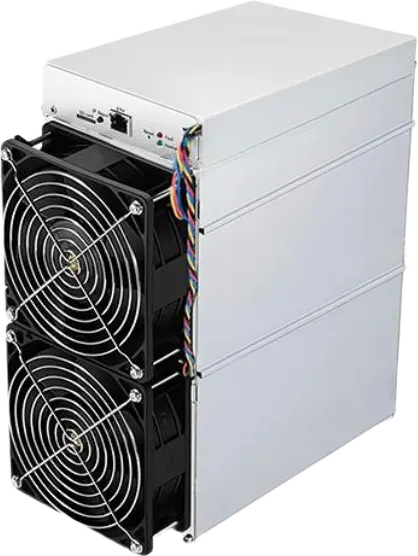 Antminer Z15 PRO (Zcash) Antminer Z15 PRO (Zcash) |
$585.61 |
| Compute seller | CoreWeave | ~$322 |
| HPC colocation (landlord) | Median of range $86–$300 | ~$180 |
| Bitcoin mining |
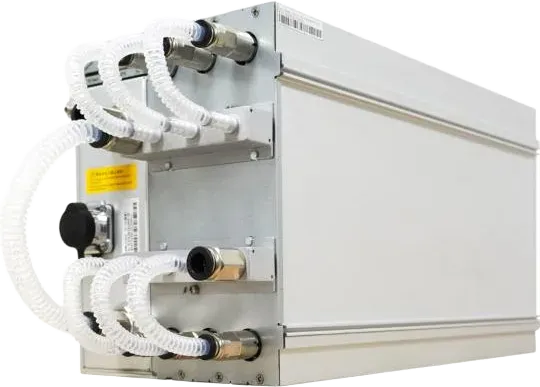 Bitmain Antminer S23 Hyd Bitmain Antminer S23 Hyd |
$179.13 |
| Bitcoin mining |
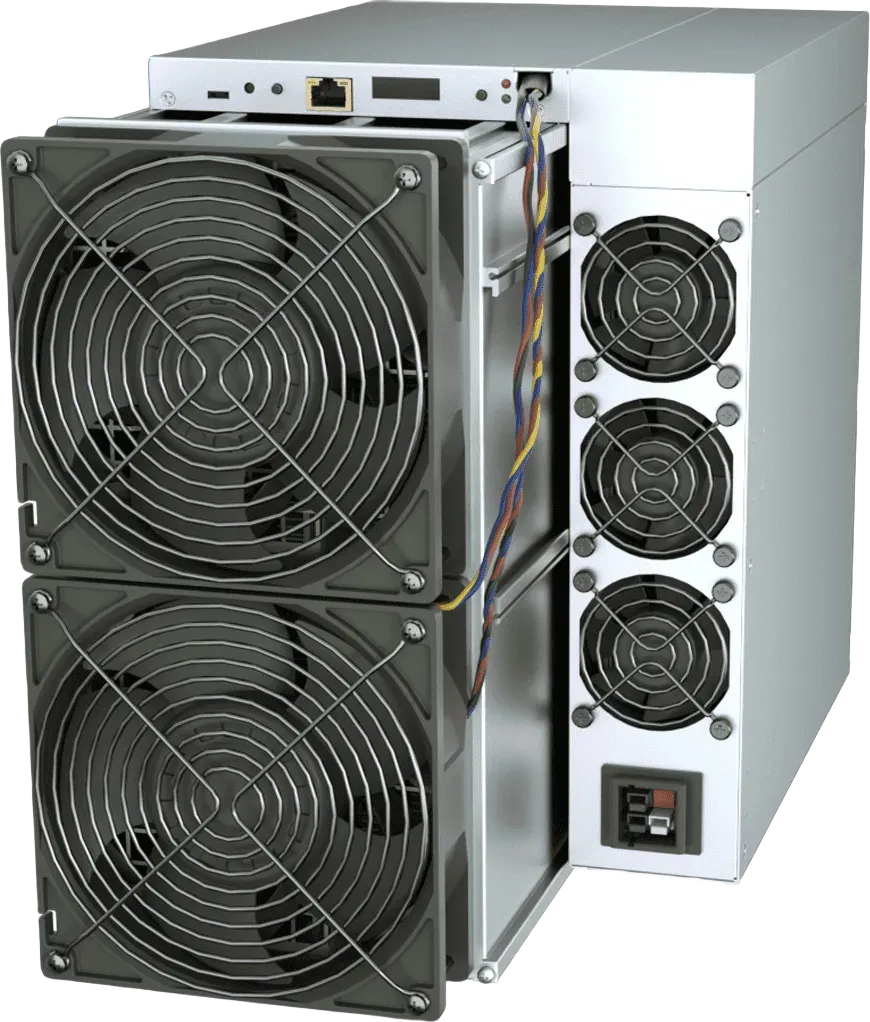 Bitmain Antminer S21 Pro Bitmain Antminer S21 Pro |
$113.45 |
Read the table twice. The first read tells you AI wins. The second tells you something more useful: the landlord row and the Bitcoin mining row are the same row. $180 against $179.13.
Why full-stack pays five times more — and what it costs to get there
The full-stack median of $940.74 per MWh is real, and it is roughly 5.3 times the mining figure. But revenue is not the whole sentence. Building AI infrastructure costs $8–15 million per megawatt, against $0.7–1 million per megawatt for mining, according to a BitPlanet Research Lab report published 2 September 2026.
That is a tenfold capex wall. And it buys you a business most mining operators have never run: GPU fleet management, customer SLAs measured in milliseconds, liquid cooling at densities mining never needed, and enterprise sales cycles.
What this means if you own miners, not substations
Almost every article on the AI pivot is written for people who own power infrastructure. If you own hardware instead, the conclusion inverts.
You cannot access the $940 row. It requires nine-figure capital and a different company. You can access the $179 row today, with a machine that ships in weeks. And the landlord row — the one the hyperscalers are competing for — pays about the same as the machine you can actually buy.
Which moves the entire question onto the cost side. Revenue per MWh is set by the market. The number you control is what the megawatt-hour costs you.
| OneMiners site | 7-year fixed rate | Energy cost per MWh |
|---|---|---|
| Nigeria | $0.0364/kWh | $36.40 |
| Ethiopia (hydro) | $0.0399/kWh | $39.90 |
| USA regional (incl. Georgia) | $0.045/kWh | $45.00 |
| Network average | $0.0480/kWh | $48.00 |
Set the analyst’s $179.13 revenue figure beside a $36–48 energy cost and the shape of the business is visible without anyone making a projection. That is the whole argument for hosting at a fixed rate: you cannot control hashprice, ZEC, or what Anthropic pays for a megawatt in Rockdale. You can fix your power price for seven years.
Verdict
Verdict: the AI-versus-mining framing is the wrong axis. Measured per megawatt-hour, current-generation Bitcoin mining sits level with the HPC landlord model that the entire data-centre industry is racing to supply. Only full-stack AI operation clears it meaningfully, and that path is closed to anyone without $8–15 million per megawatt and a GPU business.
For an individual or institutional owner of mining hardware, the decision that actually moves the outcome is not which industry to join. It is what you pay for electricity, and for how long that price holds.
2,163 MW of contracted capacity across 20 sites on four continents. Seven-year fixed energy from $0.0364/kWh, 0% management fees, a 7-year hardware warranty, 98%+ observed uptime against a 95% guaranteed SLA, and per-miner monitoring in the Formula OneMiners app. Compare fixed rates by site at OneMiners.


