


After a year of machines switching off, the Bitcoin network is adding computing power again. Here is what that means in plain words.
 By Michal Beno, CEO, OneMiners5 October 2026
Yes, miners are switching machines back on. The 30-day average hashrate reached 944.6 EH/s on 1 October, the highest since 13 June. Analyst Charles Edwards of Capriole calls it the first network growth since 2025. The network is still about 15% below its late-2025 peak.
944.6 EH/s
30-day hashrate, 1 Oct
132.72T
difficulty, 3 Oct
-0.03%
last difficulty change
$41
hashprice per PH per day
Capriole via Bitcoin News Digest, 4 October 2026; blockchain.info and Coinbase, 5 October 2026.
First, what is hashrate?
Hashrate is the total computing power that all Bitcoin miners point at the network. Think of it as the number of lottery tickets being bought every second. When more machines run, hashrate goes up. When miners lose money and unplug, it goes down.
The year in one chart
Bitcoin network hashrate, peak to recovery
Exahashes per second (EH/s), approximate
Source: CoinShares Q2 2026 mining report (peak, low, August); Capriole 30-day average (1 October). Different averaging windows, so treat as a rough guide.
The drop was brutal. From the October 2025 peak to the February low, about 27% of the network's power switched off. Bitcoin's price fell, and older machines on expensive electricity stopped paying their bills. Since February, hashrate has climbed back slowly, and September was the turning point.

Why miners are coming back now
Two reasons: price and hashprice. Bitcoin rose about 6.4% in September and trades near $86,376 today. Hashprice, what one petahash of mining power earns per day, hit an all-time low of $27.7 in June. It averaged $39.38 in September and sits near $41 now.
What 1 PH of mining power earns per day
Hashprice, US dollars per PH per day
Sources: CoinShares (June), SimpleMining (September), OneMiners calculation from difficulty and price (5 October).
When each machine earns about 50% more than it did in June, units that were parked start to make sense again. That is the signal miners have been waiting for.
What it means, in plain words
Hashrate up: what changes for a Bitcoin miner
Difficulty changes every 2,016 blocks. The next adjustment is due around block 971,712, roughly 17 October 2026.
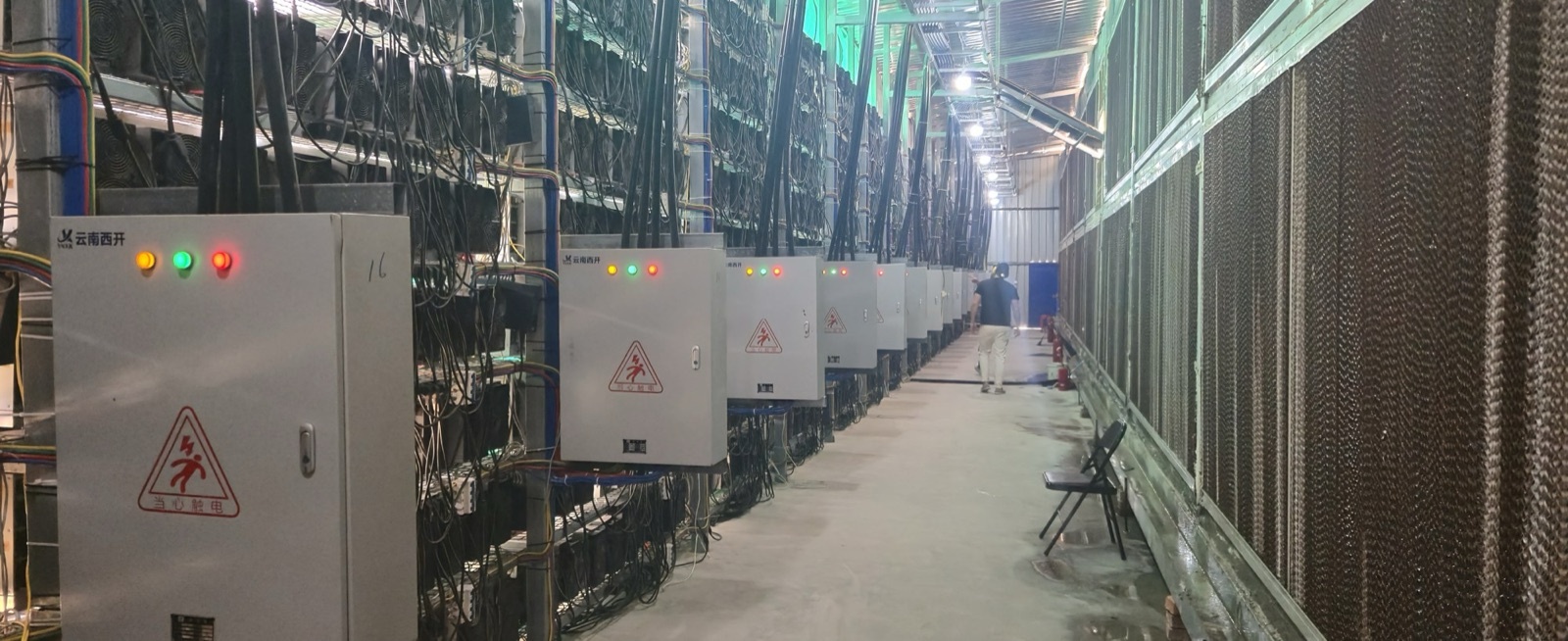
Not all the hashrate is coming back
At least 35 EH/s is scheduled to leave the network as public miners move power into AI data centres. Keel has already exited, IREN plans to by 31 December 2026, and Cipher by the end of 2027. So the recovery is real, but the biggest operators are not the ones driving it.

A growing network is a healthy network, but it also means more competition. The miners who do best when difficulty climbs are the ones paying the least for power. OneMiners publishes every rate on the hosting centers page, from $0.048 per kWh.
See what a Bitcoin miner earns at today's hashprice.
Open the mining calculatorBrowse Bitcoin minersSOURCES AND DATA
- 30-day hashrate and growth call: Charles Edwards (Capriole) via Bitcoin News Digest, 4 October 2026
- Difficulty adjustment at block 969,696: Bitcoin News Digest, 4 October 2026; blockchain.info, 5 October 2026
- Hashrate peak and low, June hashprice, scheduled exits: CoinShares Bitcoin Mining Report Q2 2026
- September price and hashprice: SimpleMining September 2026 market report
- Price: Coinbase spot, 5 October 2026
Michal Beno
CEO of OneMiners, the global Bitcoin mining hosting and hardware platform with 15 published hosting locations, 7-year fixed electricity contracts and a 7-year hardware warranty. He writes about the economics of industrial Bitcoin mining.
Informational only, not financial advice. Figures are a snapshot from public market data and news reports as of 5 October 2026 and can change quickly. Crypto prices can fall as well as rise. No return is offered or implied. Do your own research.


