

Zcash vs Bitcoin Mining
You already know Bitcoin. Here's a friendly, look at its quieter cousin — and why more miners are giving it a second look in 2026.
If you mine Bitcoin, you already understand 90% of how Zcash mining works. Same idea: a specialized machine solves puzzles, helps run the network, and earns you coins. So this isn't a "switch everything" pitch — it's a friendly introduction to a coin a lot of Bitcoin miners have simply never looked at.
Here's the short version: Zcash (ZEC) is a privacy-focused coin that you mine with an ASIC, just like Bitcoin. It's smaller, less crowded, sips a lot less power per machine, and had a big comeback year in 2026. Let's walk through it together.
Let's start with today's prices
Prices bounce around daily, so treat these as a snapshot — but they tell an interesting story. As of July 2026:
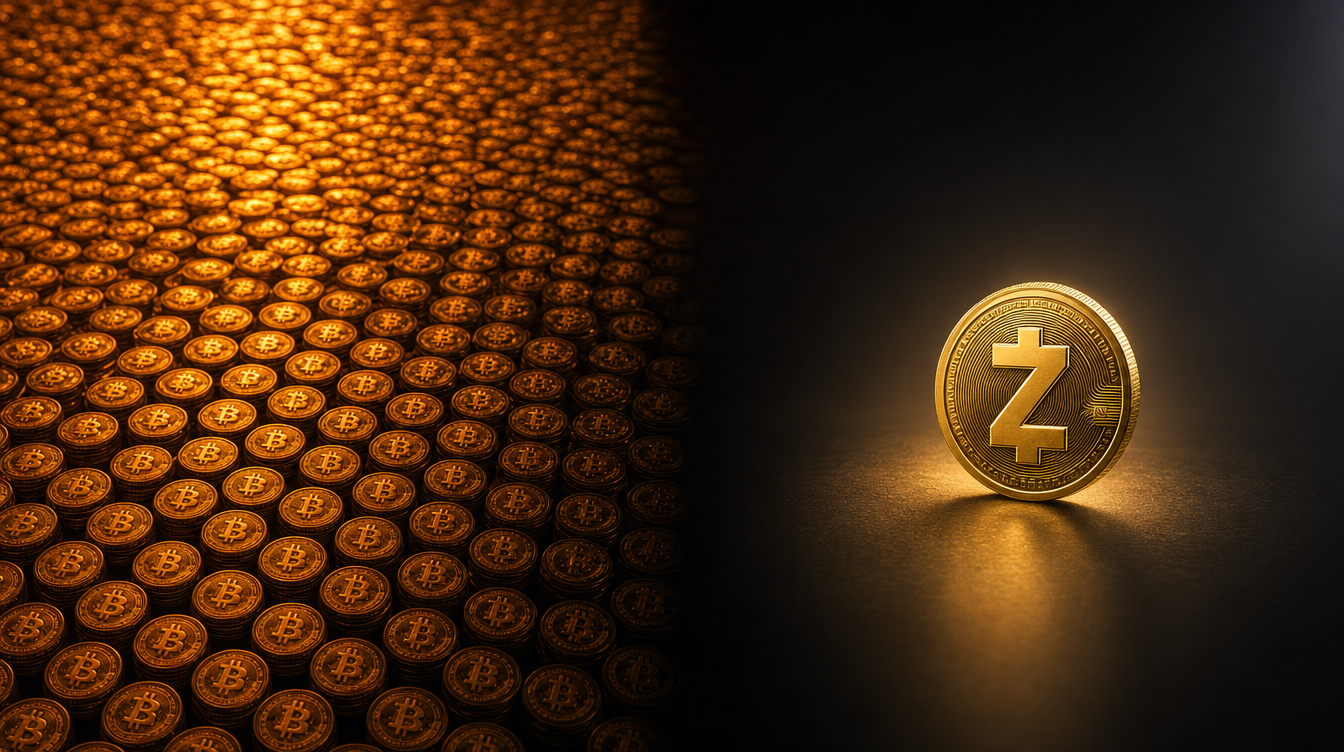
One coin costs a lot more than the other — but price-per-coin isn't the interesting part. The interesting part is size. Bitcoin is a giant, mature $1.3-trillion asset. Zcash is a fraction of that. Here's the gap, drawn to scale:
Total market size: BTC vs ZEC
Zcash is roughly 0.7% the size of Bitcoin — that tiny sliver is the whole coin. A smaller, earlier market can mean more room to grow, but also more ups and downs. Not a prediction, just the lay of the land.
First: what even is Zcash?
Think of Zcash as Bitcoin's privacy-minded cousin. It launched in 2016, has the same 21 million coin hard cap, and runs on Proof of Work — the same "miners secure the network" model you already know.
The one big twist: Bitcoin is fully transparent (anyone can see every transaction), while Zcash lets you choose. You can send a normal, visible transaction, or a shielded one that hides the details using clever cryptography. You don't need to understand the math to mine it — but that privacy is exactly why Zcash got popular again in 2026.
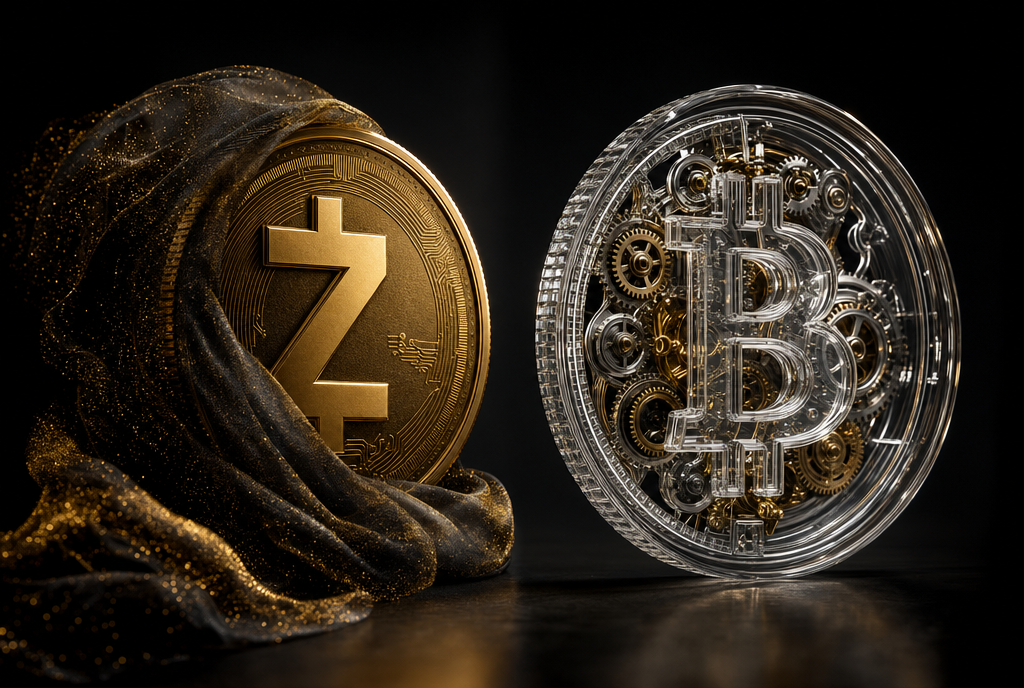
Why that matters in 2026
Privacy went mainstream this year. After a regulator closed its long-running case in January 2026, ZEC climbed hundreds of percent and became the largest privacy coin. More attention on the coin means more interest in mining it.
The good news: it works just like Bitcoin mining
If you've ever set up a Bitcoin miner, this will feel familiar. You buy an ASIC, point it at a mining pool, and it earns you coins around the clock. Same rhythm, same kind of hardware, same "let it run" lifestyle.
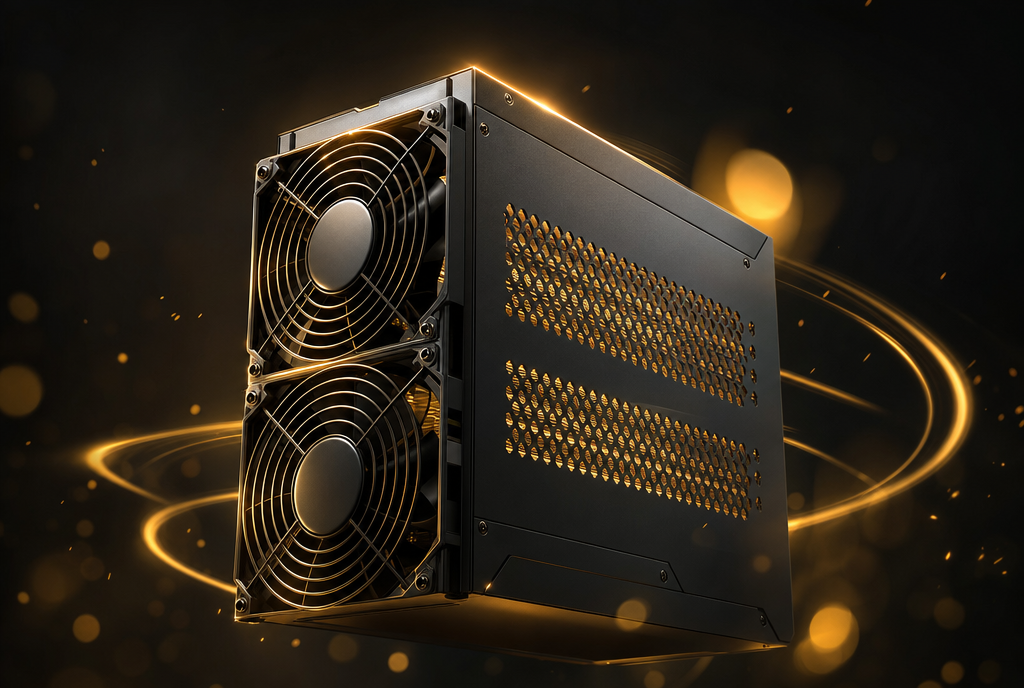
One important catch: your Bitcoin miner can't mine Zcash. They solve different puzzles.
Bitcoin uses an algorithm called SHA-256. Zcash uses one called Equihash. So Zcash needs its own machine — the go-to is the Antminer Z15 Pro. Everything else about the routine is the same.
The 3 differences that actually matter
1. Way less competition
Bitcoin mining is a giant, crowded stadium. So many miners are competing that margins are thin unless you have very cheap power. Zcash is a much smaller room — fewer miners, more elbow space, and a real chance for smaller setups to matter.
2. It's easier on the power bill
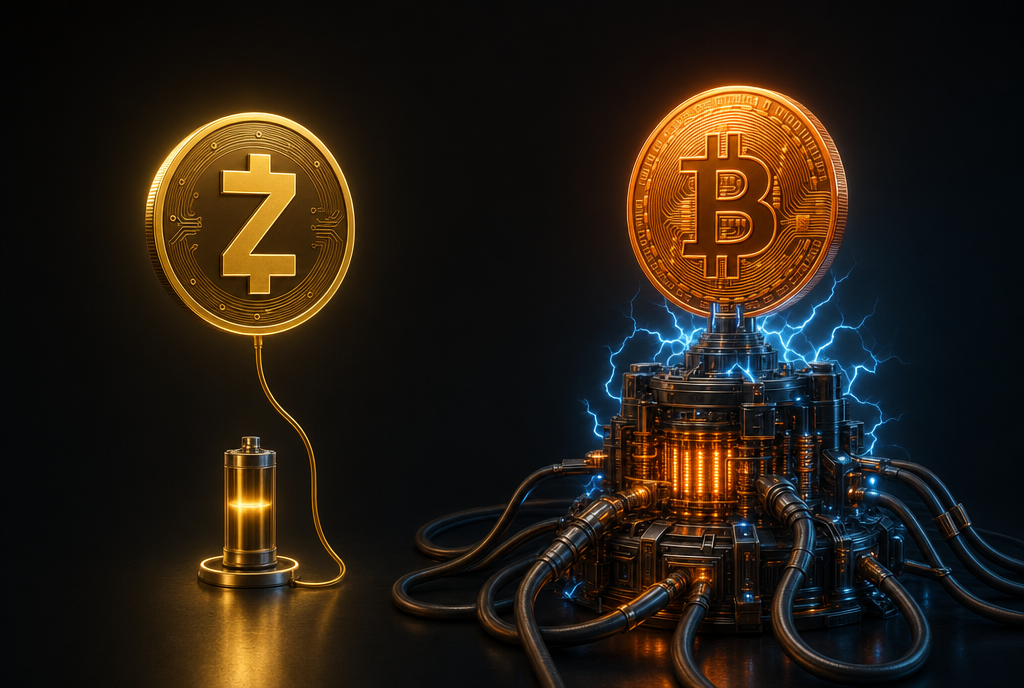
This is the one that surprises Bitcoin miners. Per machine, Zcash mining is dramatically more power-efficient. Recent 2026 data suggests Zcash mining can be several times more power-efficient than Bitcoin for the value it produces. A Z15 Pro draws around 2.8 kW and keeps its cool — less heat, less noise, less strain on your setup.
3. Privacy is built in
You're not just mining "another coin." You're helping run a network that gives people the option of financial privacy — with a neat feature called a view key that lets someone share details with an auditor when they need to. Private by default, transparent on request.
Bitcoin vs Zcash, side by side
| Bitcoin | Zcash | |
|---|---|---|
| Ticker | BTC | ZEC |
| Price (Jul 2026) | ~$66,609 | ~$550 |
| Market cap | ~$1.31 trillion | ~$9.3 billion |
| Launched | 2009 | 2016 |
| Max supply | 21 million | 21 million |
| Coins mined so far | ~19.9M (~95%) | ~16.8M (~80%) |
| Mining puzzle | SHA-256 | Equihash |
| Go-to miner | Antminer S21-class | Antminer Z15 Pro |
| Privacy | Always transparent | Transparent or shielded |
| Competition | Enormous (industrial) | Much smaller |
| Power per machine | ~3.5 kW (typical top ASIC) | ~2.8 kW (Z15 Pro) |
| 2026 story | The established giant | #1 privacy coin, big comeback |
Figures are approximate and change with network conditions. See the note at the bottom.
Meet the Zcash miners (and what they cost)
Zcash runs on Bitmain's Antminer Z15 family. Here are the machines you'd actually buy — from the entry-level Z15 up to the flagship Z15 Pro — with live OneMiners prices.
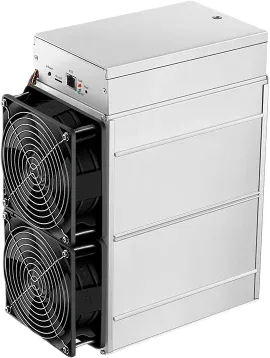
Antminer Z15 · 420 KSol/s
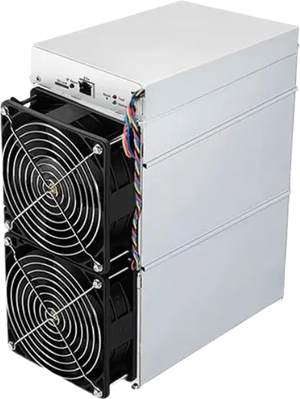
Antminer Z15 Pro · 800 KSol/s
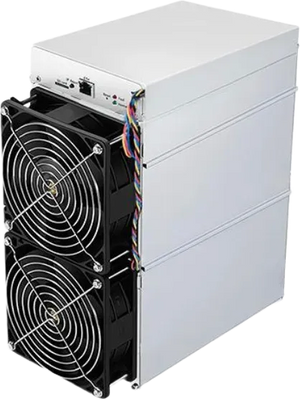
Antminer Z15 Pro · 820 KSol/s
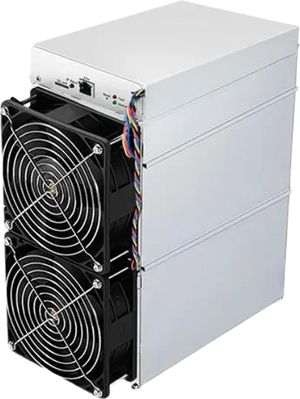
Antminer Z15 Pro · 840 KSol/s Best value
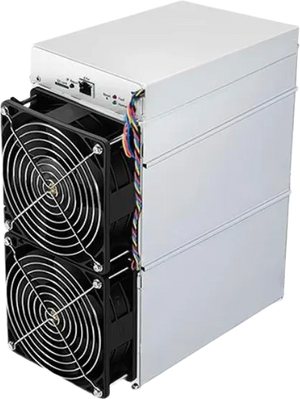
Antminer Z15 Pro · 860 KSol/s
Estimated daily earnings are gross (before electricity and fees), per OneMiners listings, and change with the market.
A few numbers worth seeing
Two charts that explain a lot about why Zcash feels different to mine.
How much supply is already mined?
Both coins are capped at 21 million. Bitcoin has almost run out of new coins to hand miners; Zcash still has more of its supply to mine out.
Power pulled by one machine
A top Bitcoin ASIC draws around 3.5 kW; a Zcash Z15 Pro runs closer to 2.8 kW — and recent 2026 data suggests Zcash mining is several times more power-efficient for the value it produces. Less heat, less noise, smaller power bill.
So should a Bitcoin miner try Zcash?
It's not either/or. Plenty of miners run both — Bitcoin as the steady anchor, Zcash as a smaller, more efficient, less-crowded addition. Think of it as diversifying, the same way you wouldn't put every dollar into one stock.
The honest truth
Like all mining, whether it pays off comes down to your electricity price, the coin's price, and network difficulty. The magic isn't the coin — it's cheap, reliable power. That's the part most beginners underestimate.
How to start mining Zcash, step by step
If you've mined Bitcoin, steps 3–6 will feel familiar. Here's the whole journey in plain English.
Understand what mining actually is
Your machine races other miners to solve a math puzzle for each new block of transactions. Win a share of the work, earn a share of the reward — paid to you in ZEC, around the clock. No trading, no guessing; just a machine doing steady work.
Set up a Zcash wallet
This is where your mined coins land. Pick a reputable ZEC wallet (many support both transparent and shielded addresses), and back up your recovery phrase somewhere safe and offline. Whoever holds the phrase holds the coins.
Get the right machine
Zcash runs on the Equihash algorithm, so you need an Equihash ASIC — the go-to is the Antminer Z15 Pro. Your Bitcoin (SHA-256) miner won't work here. Match the machine to your budget and to the power you can access.
Join a mining pool
Mining solo is a lottery you'll rarely win. A pool combines everyone's machines and pays out small, steady rewards based on the work you contribute. You simply point your miner at the pool and drop in your wallet address — a five-minute setup.
Sort out cheap, reliable power (the real profit lever)
This is the step beginners underestimate. A Z15 Pro runs 24/7 at ~2.8 kW — at typical home rates ($0.12+/kWh) the power bill can eat your profit, plus you're living with the heat and noise. Cheap, stable electricity is what separates profit from a warm, loud paperweight.
Or skip the hassle and host it
Most serious miners don't run machines at home. They host them in a facility with industrial-rate power, cooling, and security. OneMiners, for example, sources the miner, runs it on fixed low-cost electricity for 7 years, includes insurance and a 95%+ uptime guarantee, and lets you watch it from a phone app. You get the mining without the headaches.
Beginner reality check
You don't need to be technical to start — but you do need to be honest about your power costs. Run the numbers on a mining calculator (plug in the Z15 Pro's ~2.8 kW and your electricity rate) before you buy anything.
Quick beginner questions
No. Bitcoin miners use SHA-256; Zcash uses Equihash. You need a Zcash-specific machine like the Antminer Z15 Pro.
Yes, mining ZEC is legal in most countries, the same as Bitcoin. Always check your local rules.
Not to mine it. The privacy features are for users sending coins — as a miner, you just run the machine and earn rewards.
It can be, especially with low power costs and an efficient miner. It depends on your electricity rate, the ZEC price, and network difficulty — not the coin alone.
Not necessarily. Many miners run both to spread their risk. Zcash can be a smaller, efficient complement to your Bitcoin setup.
Want to try Zcash mining the easy way?
Skip the noise, heat, and power headaches. OneMiners sources your Antminer Z15 Pro, hosts it on cheap fixed-price electricity, and lets you track it from your phone.
See Zcash Miners & Hosting →


